

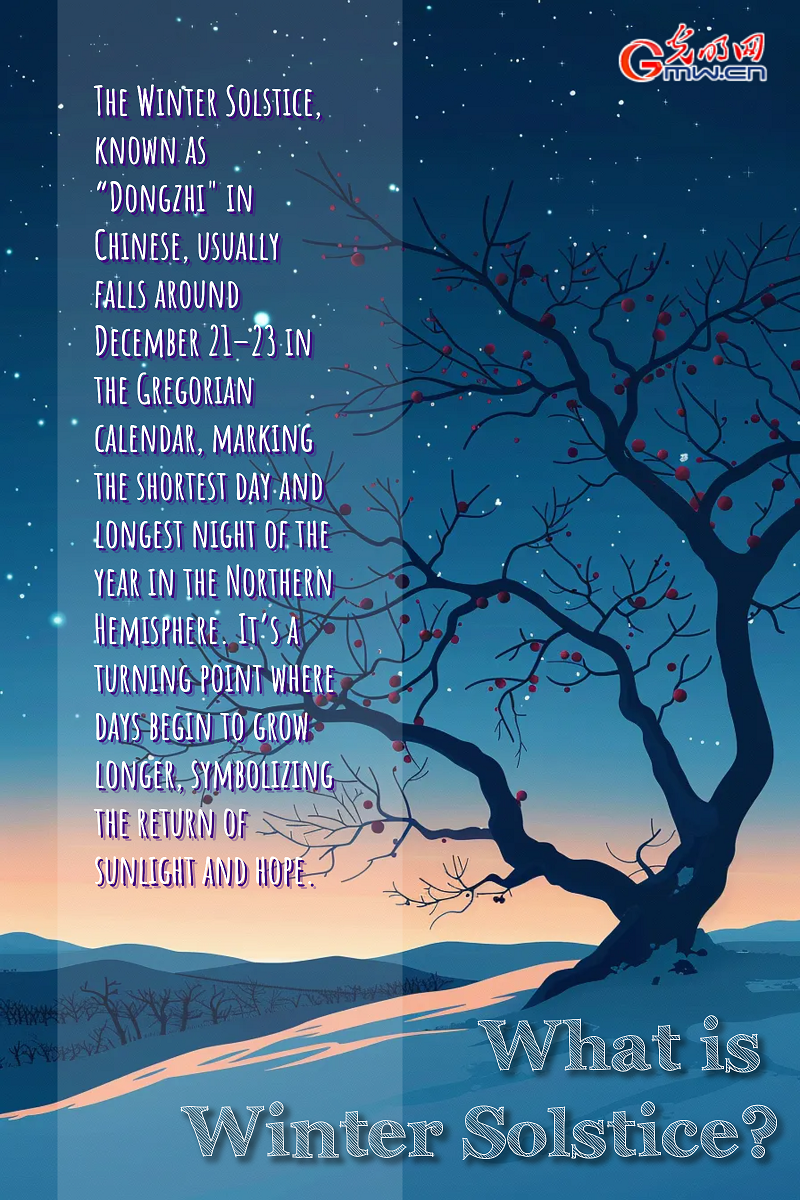
The winter solstice, or Dongzhi, falls on December 21 in 2025, marking the shortest day of the year and a traditional turning point in China's system of solar terms. Celebrations include eating dumplings (Jiaozi) or glutinous rice balls (Tangyuan), honoring ancestors, folk rhymes marking the coldest period, and festivals praying for health, reunion, and a good harvest.
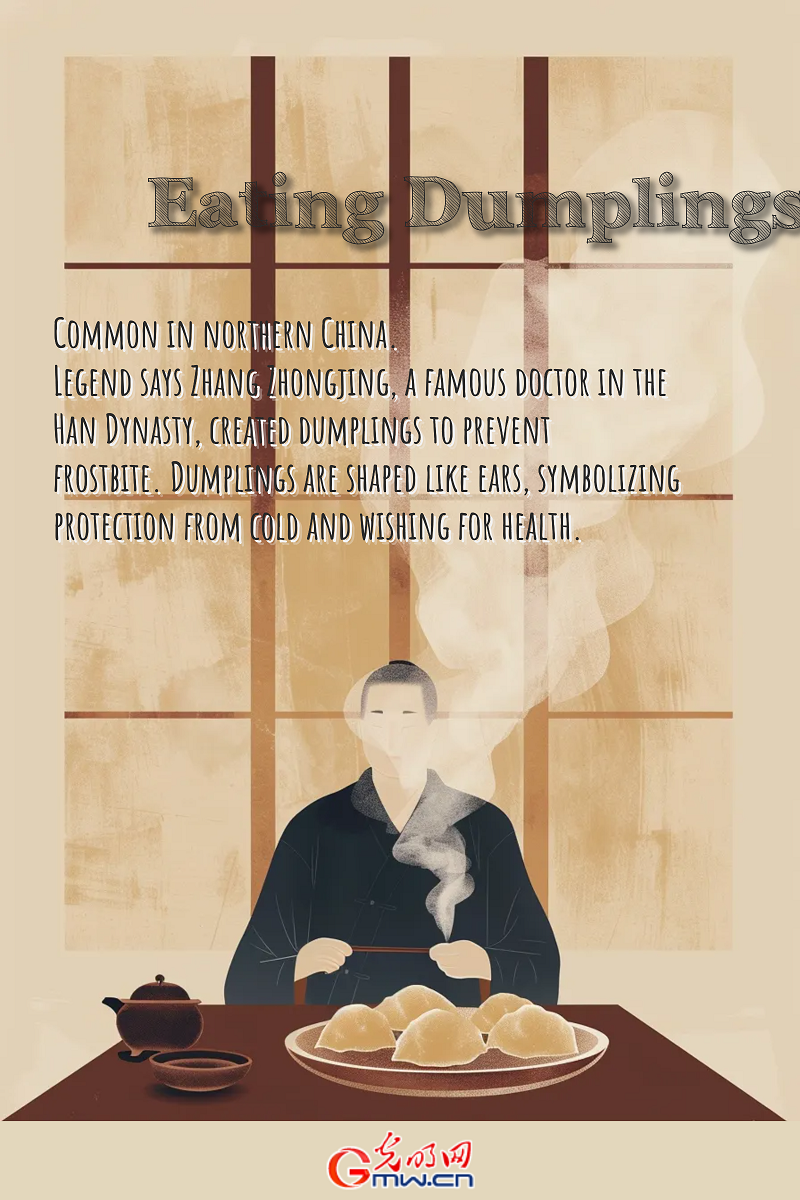
Eating dumplings (Jiaozi) on the winter solstice is common in northern China. Legend says Zhang Zhongjing, a famous doctor in the Han Dynasty, created dumplings to prevent frostbite. Dumplings are shaped like ears, symbolizing protection from cold and wishing for health.
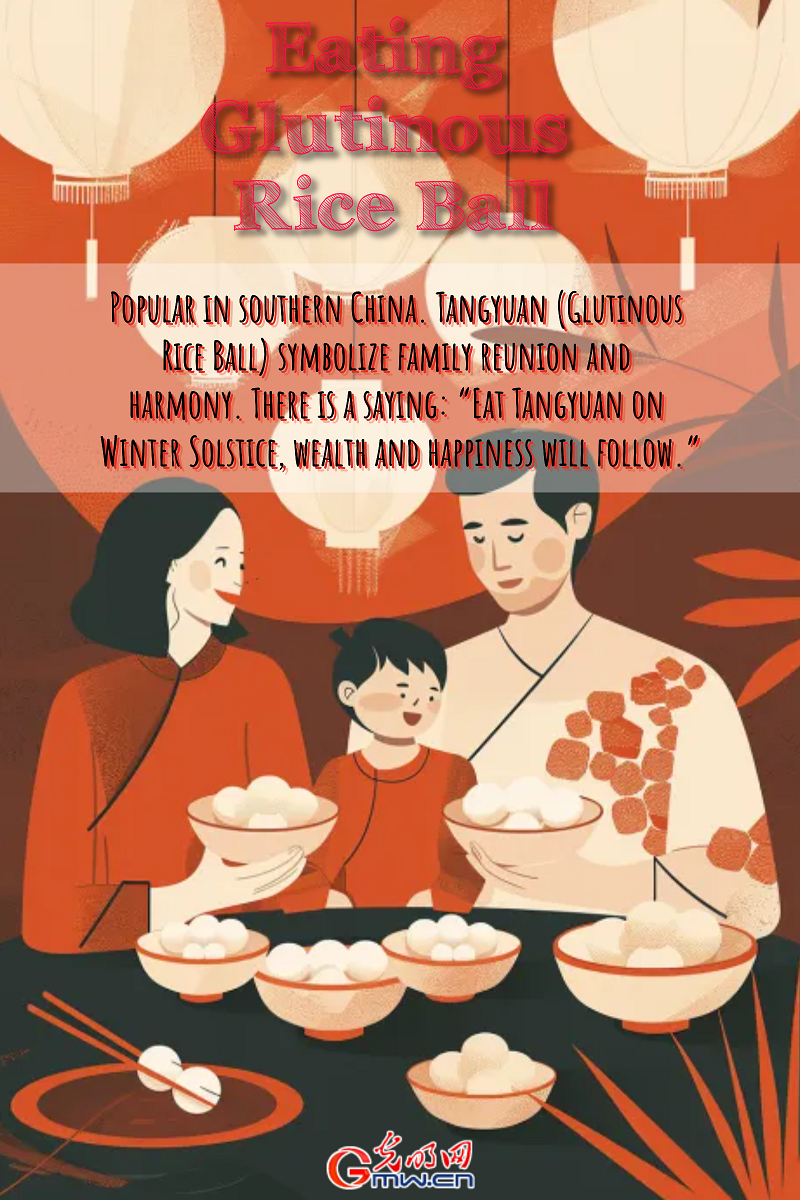
Eating glutinous rice balls (Tangyuan) on the winter solstice is popular in southern China. Tangyuan symbolize family reunion and harmony. There is a saying: "Eat Tangyuan on Winter Solstice, wealth and happiness will follow".
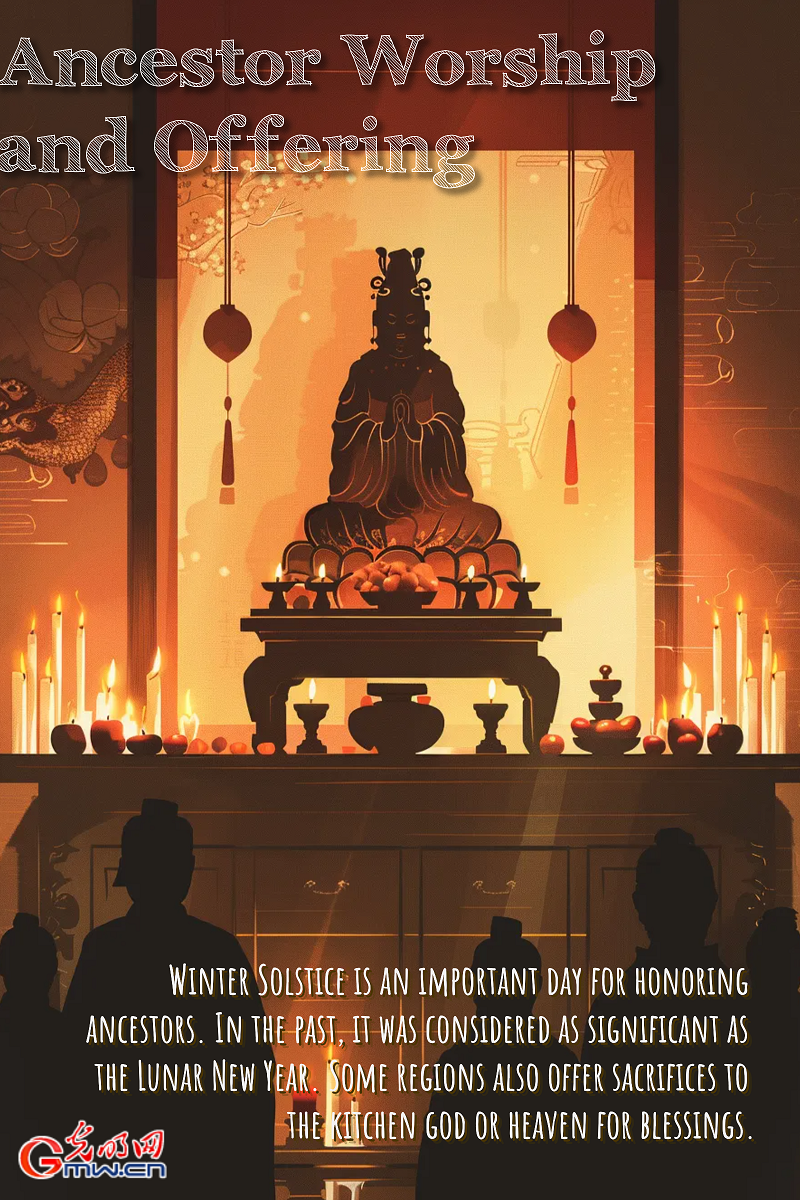
Winter solstice is an important day for honoring ancestors. In the past, it was considered as significant as the Lunar New Year. Some regions also offer sacrifices to the kitchen god or heaven for blessings.
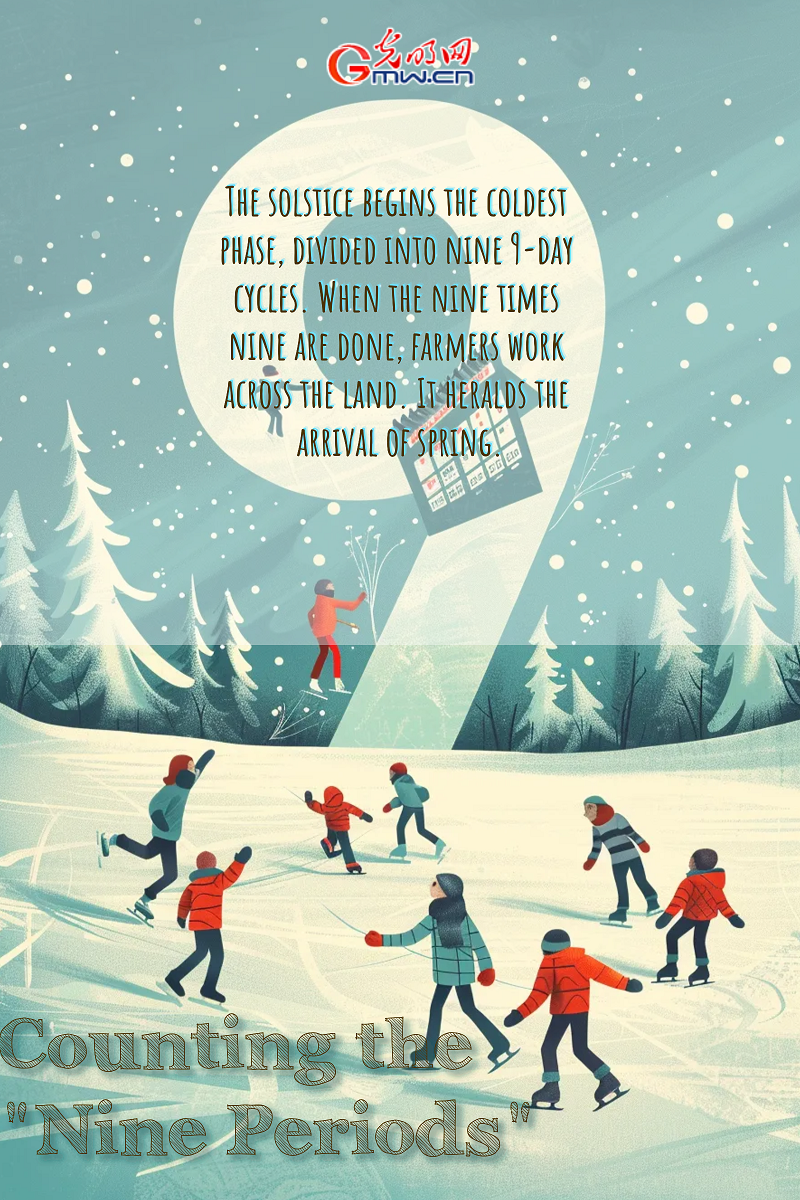
The solstice begins the coldest phase, divided into nine 9-day cycles. A popular nursery rhyme named "Nine-Nine" Folk Song describes the changing weather through each cycle, e.g., "In the first and second nine, keep your hands hidden; in the third and fourth nine, walk on ice...When the nine times nine are done, farmers work across the land". It heralds the arrival of spring.
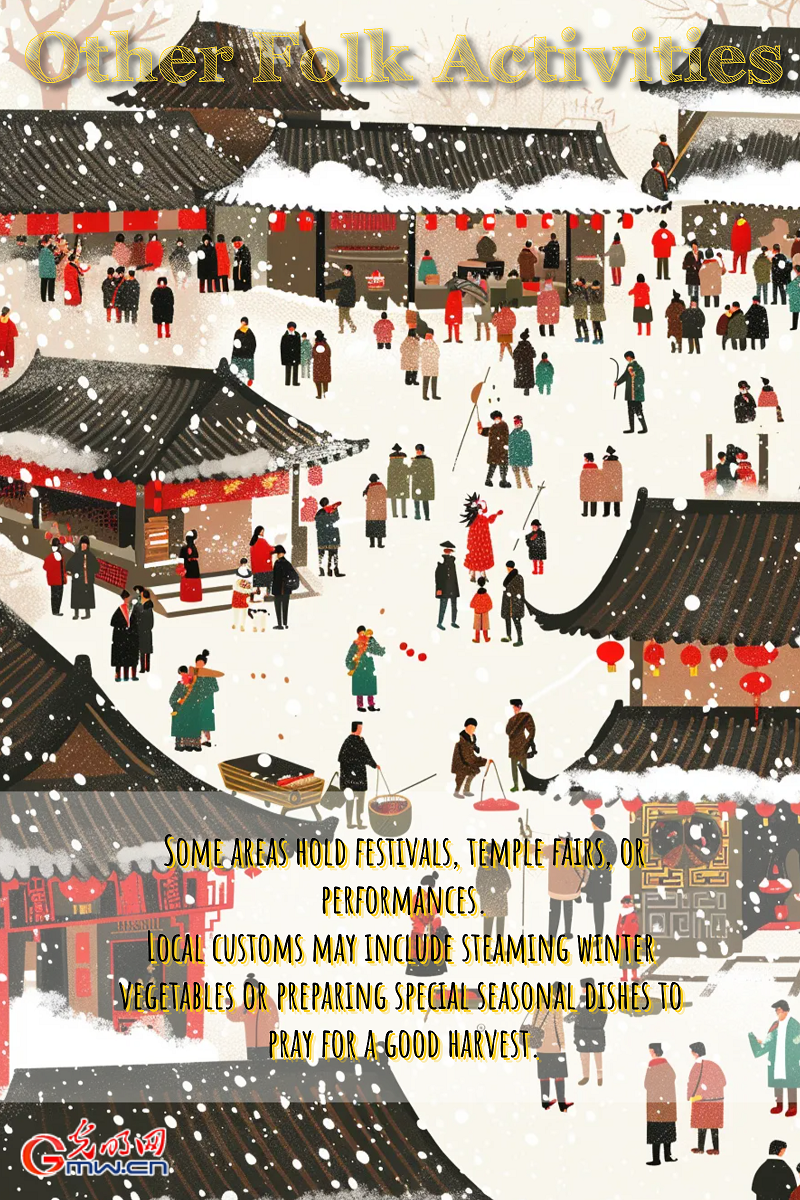
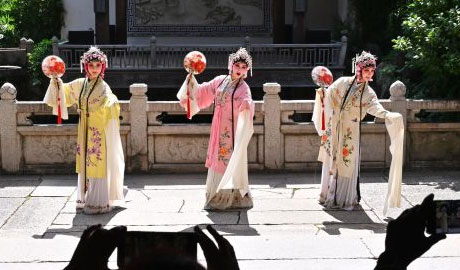
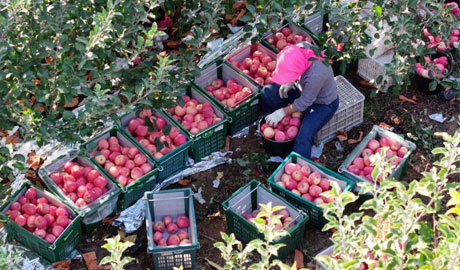
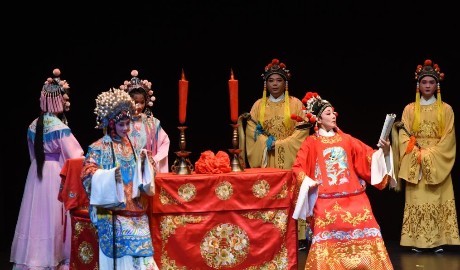
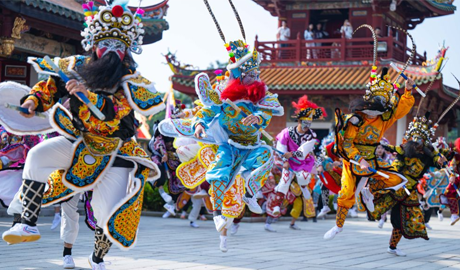
Some areas hold festivals, temple fairs, or performances during the winter solstice period. Local customs may include steaming winter vegetables or preparing special seasonal dishes to pray for a good harvest.
点击右上角 微信好友
微信好友
 朋友圈
朋友圈

请使用浏览器分享功能进行分享