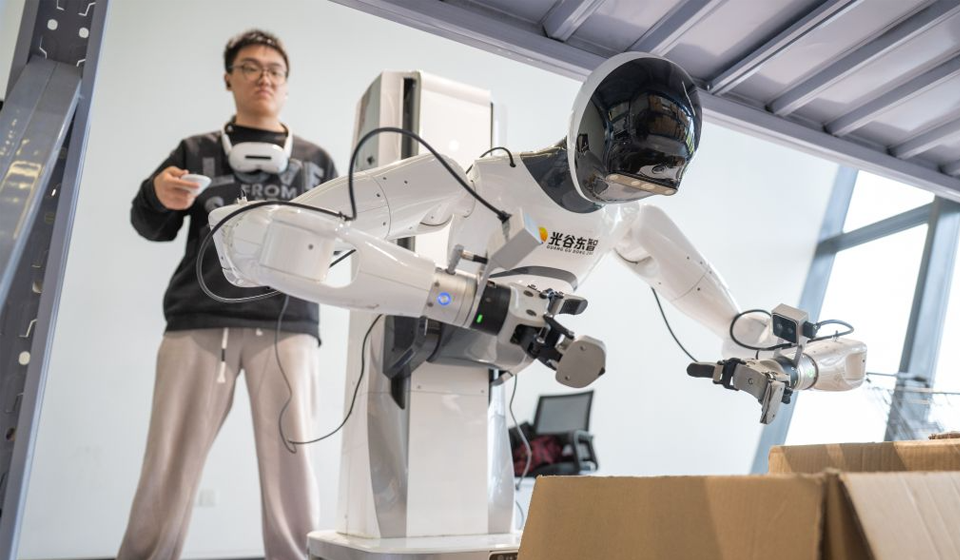


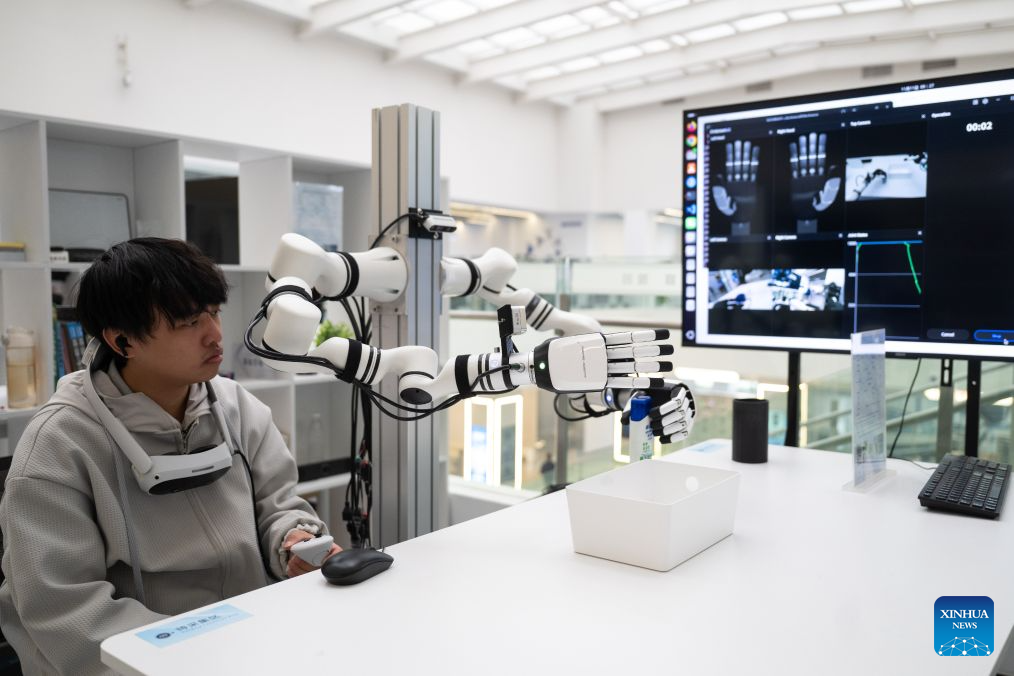
An AI trainer operates a robot to collect data at a humanoid robot innovation center in Wuhan, central China's Hubei Province, Nov. 11, 2026. The humanoid robot innovation center in Wuhan features a training field of over 3,000 square meters and dozens of training scenarios across industrial, commercial, office, home and laboratory settings. It employs 40 AI trainers, whose average age is just over 20, and generates more than 20,000 pieces of usable data daily. The data is reviewed, cleaned and annotated before being fed into large AI models, enabling robots to learn to perform tasks autonomously. At present, the province is home to more than 140 companies along the humanoid robotics industrial chain. (Xinhua/Wu Zhizun)
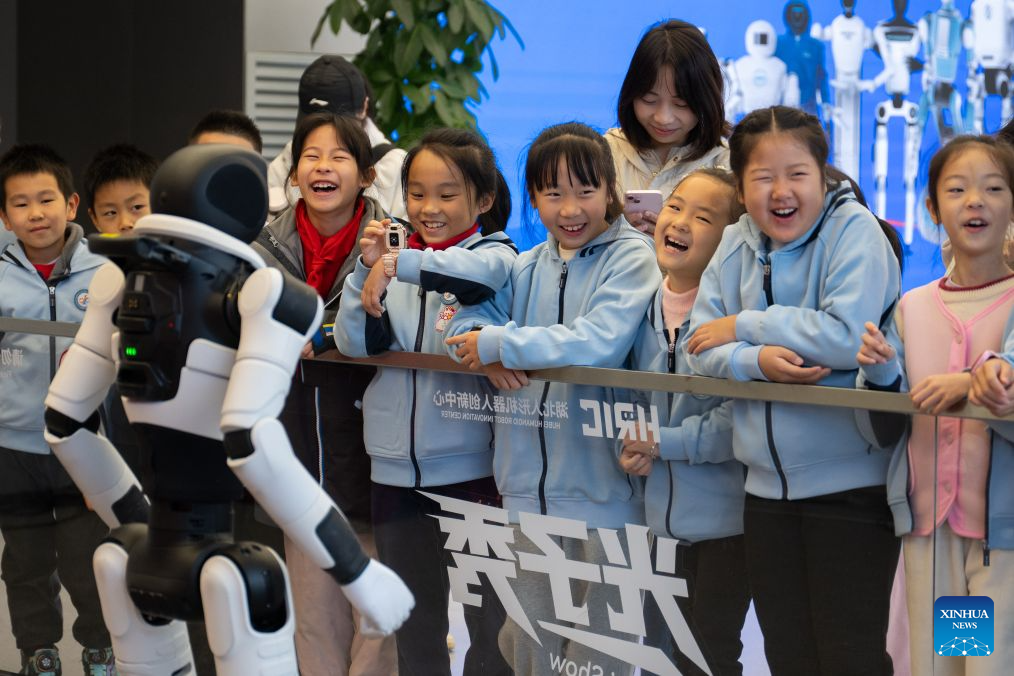
Students interact with a humanoid robot at a humanoid robot innovation center in Wuhan, central China's Hubei Province, Nov. 11, 2026. The humanoid robot innovation center in Wuhan features a training field of over 3,000 square meters and dozens of training scenarios across industrial, commercial, office, home and laboratory settings. It employs 40 AI trainers, whose average age is just over 20, and generates more than 20,000 pieces of usable data daily. The data is reviewed, cleaned and annotated before being fed into large AI models, enabling robots to learn to perform tasks autonomously. At present, the province is home to more than 140 companies along the humanoid robotics industrial chain. (Xinhua/Wu Zhizun)
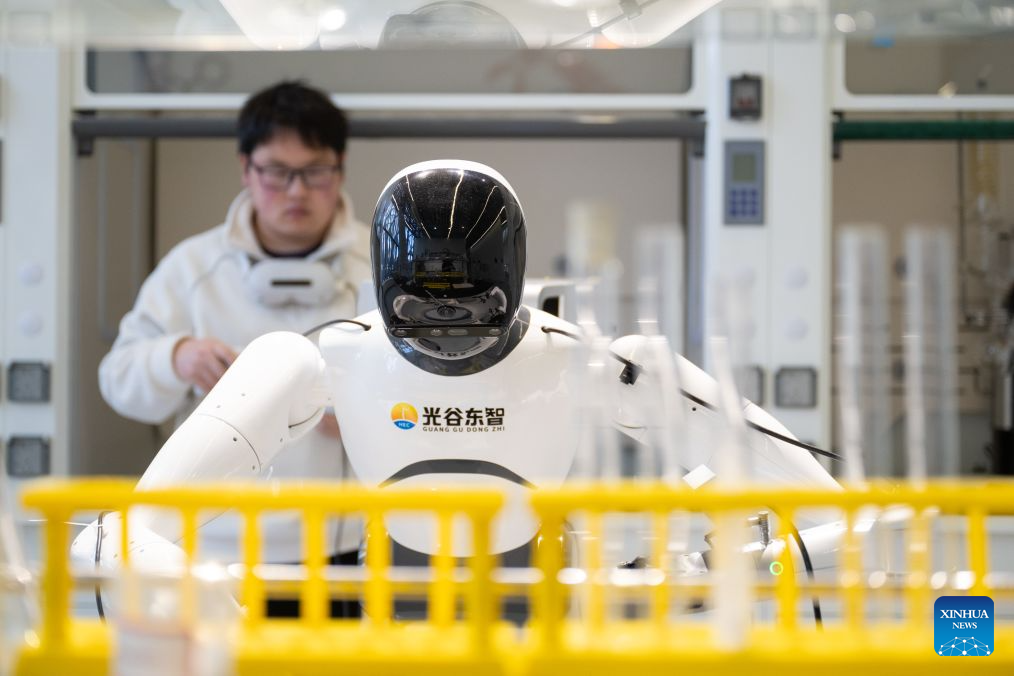
An AI trainer operates a robot to collect data at a humanoid robot innovation center in Wuhan, central China's Hubei Province, Nov. 11, 2026. The humanoid robot innovation center in Wuhan features a training field of over 3,000 square meters and dozens of training scenarios across industrial, commercial, office, home and laboratory settings. It employs 40 AI trainers, whose average age is just over 20, and generates more than 20,000 pieces of usable data daily. The data is reviewed, cleaned and annotated before being fed into large AI models, enabling robots to learn to perform tasks autonomously. At present, the province is home to more than 140 companies along the humanoid robotics industrial chain. (Xinhua/Wu Zhizun)
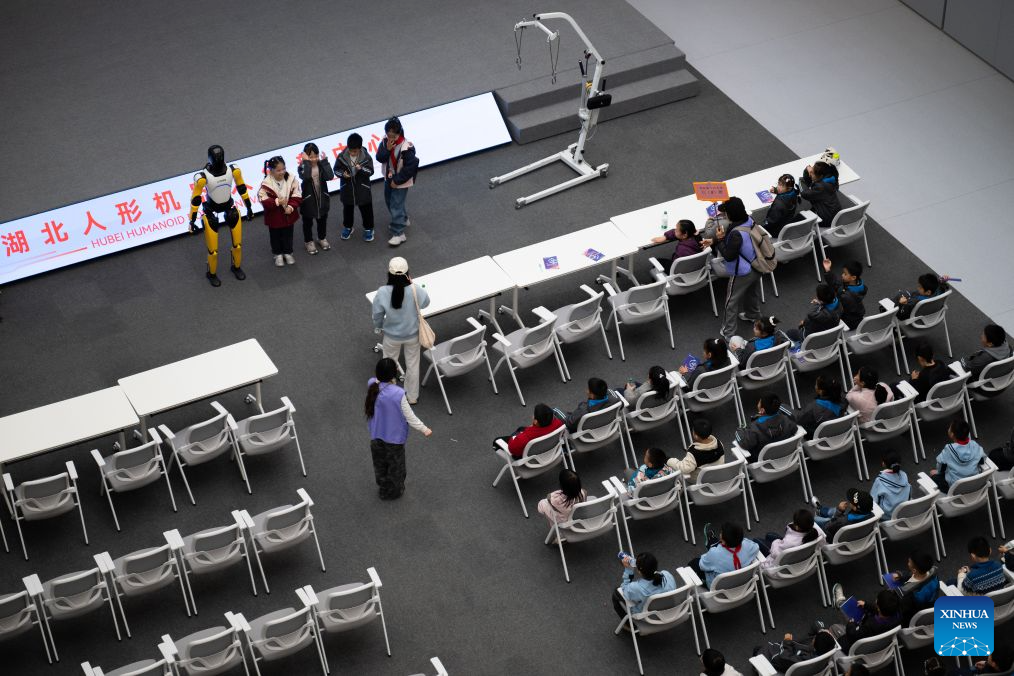
Students interact with a humanoid robot at a humanoid robot innovation center in Wuhan, central China's Hubei Province, Nov. 11, 2026. The humanoid robot innovation center in Wuhan features a training field of over 3,000 square meters and dozens of training scenarios across industrial, commercial, office, home and laboratory settings. It employs 40 AI trainers, whose average age is just over 20, and generates more than 20,000 pieces of usable data daily. The data is reviewed, cleaned and annotated before being fed into large AI models, enabling robots to learn to perform tasks autonomously. At present, the province is home to more than 140 companies along the humanoid robotics industrial chain. (Xinhua/Wu Zhizun)
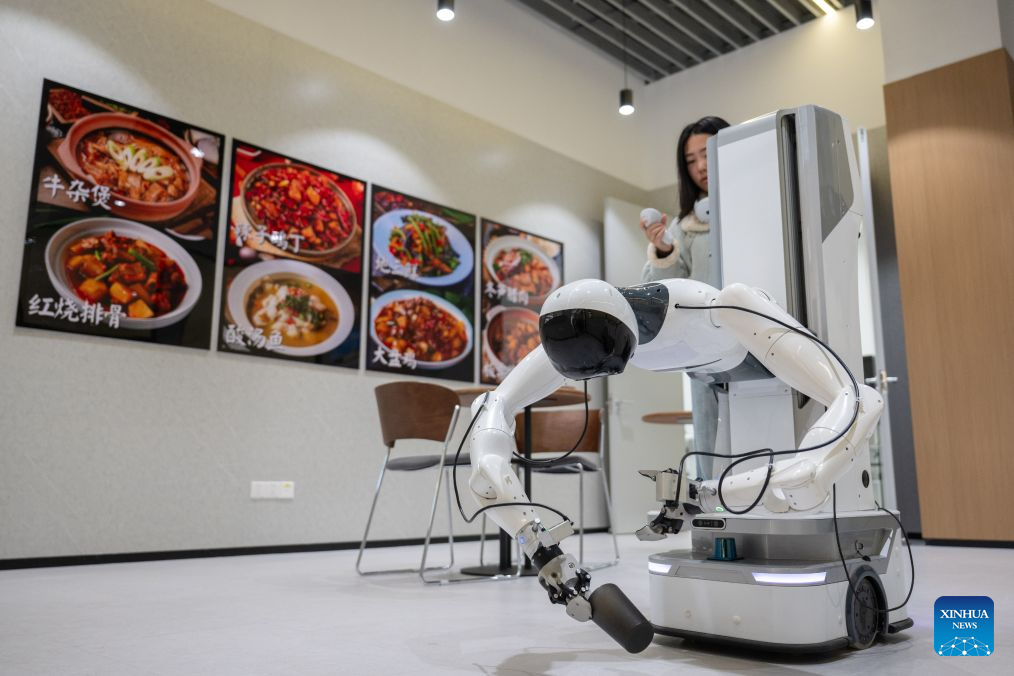
An AI trainer operates a robot to collect data at a humanoid robot innovation center in Wuhan, central China's Hubei Province, Nov. 11, 2026. The humanoid robot innovation center in Wuhan features a training field of over 3,000 square meters and dozens of training scenarios across industrial, commercial, office, home and laboratory settings. It employs 40 AI trainers, whose average age is just over 20, and generates more than 20,000 pieces of usable data daily. The data is reviewed, cleaned and annotated before being fed into large AI models, enabling robots to learn to perform tasks autonomously. At present, the province is home to more than 140 companies along the humanoid robotics industrial chain. (Xinhua/Wu Zhizun)
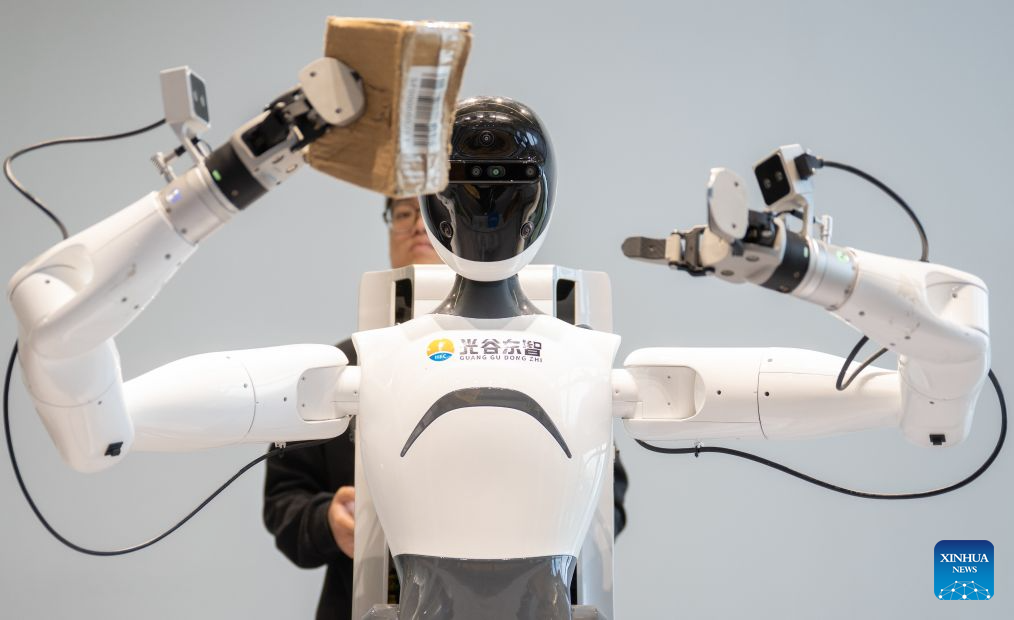
An AI trainer operates a robot to collect data at a humanoid robot innovation center in Wuhan, central China's Hubei Province, Nov. 11, 2026. The humanoid robot innovation center in Wuhan features a training field of over 3,000 square meters and dozens of training scenarios across industrial, commercial, office, home and laboratory settings. It employs 40 AI trainers, whose average age is just over 20, and generates more than 20,000 pieces of usable data daily. The data is reviewed, cleaned and annotated before being fed into large AI models, enabling robots to learn to perform tasks autonomously. At present, the province is home to more than 140 companies along the humanoid robotics industrial chain. (Xinhua/Wu Zhizun)
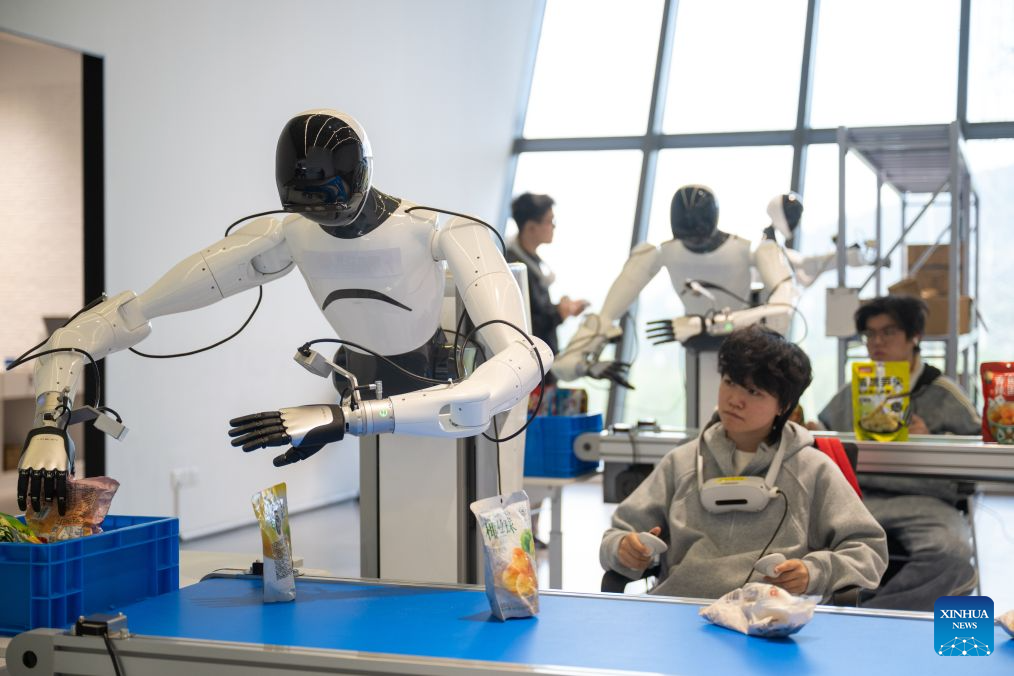
AI trainers operate robots to collect data at a humanoid robot innovation center in Wuhan, central China's Hubei Province, Nov. 11, 2026. The humanoid robot innovation center in Wuhan features a training field of over 3,000 square meters and dozens of training scenarios across industrial, commercial, office, home and laboratory settings. It employs 40 AI trainers, whose average age is just over 20, and generates more than 20,000 pieces of usable data daily. The data is reviewed, cleaned and annotated before being fed into large AI models, enabling robots to learn to perform tasks autonomously. At present, the province is home to more than 140 companies along the humanoid robotics industrial chain. (Xinhua/Wu Zhizun)
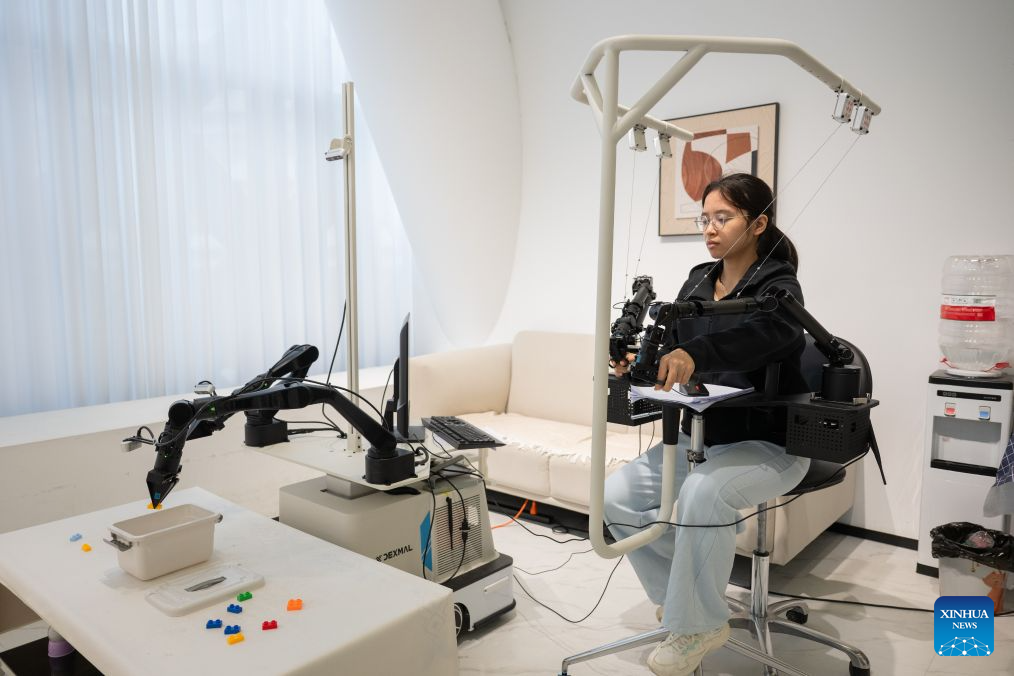
An AI trainer operates a robot to collect data at a humanoid robot innovation center in Wuhan, central China's Hubei Province, Nov. 11, 2026. The humanoid robot innovation center in Wuhan features a training field of over 3,000 square meters and dozens of training scenarios across industrial, commercial, office, home and laboratory settings. It employs 40 AI trainers, whose average age is just over 20, and generates more than 20,000 pieces of usable data daily. The data is reviewed, cleaned and annotated before being fed into large AI models, enabling robots to learn to perform tasks autonomously. At present, the province is home to more than 140 companies along the humanoid robotics industrial chain. (Xinhua/Wu Zhizun)
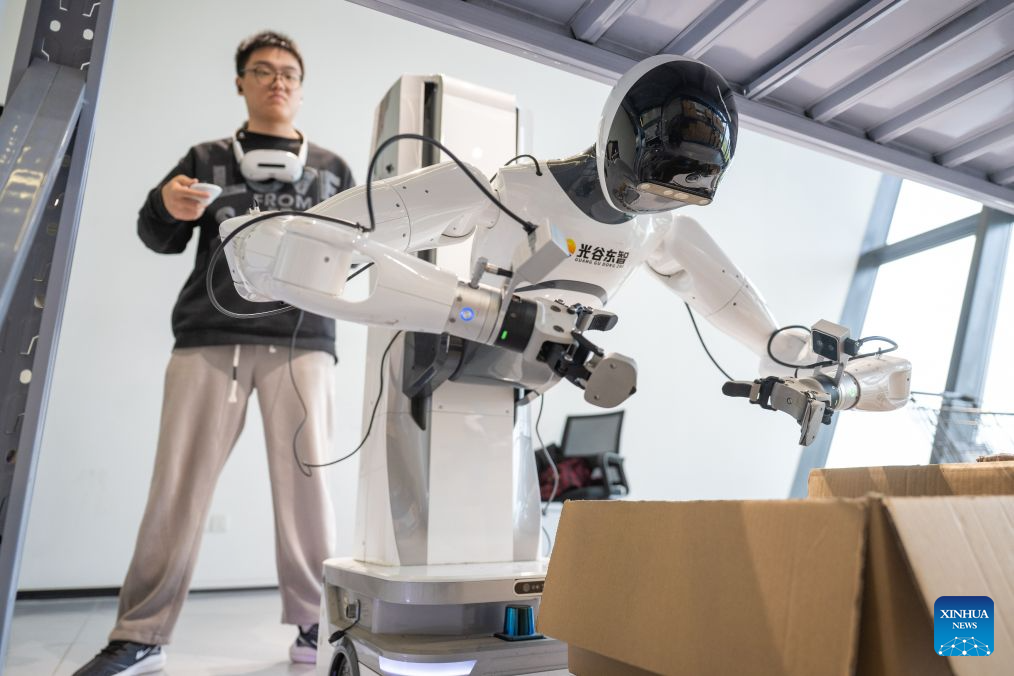
An AI trainer operates a robot to collect data at a humanoid robot innovation center in Wuhan, central China's Hubei Province, Nov. 11, 2026. The humanoid robot innovation center in Wuhan features a training field of over 3,000 square meters and dozens of training scenarios across industrial, commercial, office, home and laboratory settings. It employs 40 AI trainers, whose average age is just over 20, and generates more than 20,000 pieces of usable data daily. The data is reviewed, cleaned and annotated before being fed into large AI models, enabling robots to learn to perform tasks autonomously. At present, the province is home to more than 140 companies along the humanoid robotics industrial chain. (Xinhua/Wu Zhizun)
点击右上角 微信好友
 朋友圈

请使用浏览器分享功能进行分享