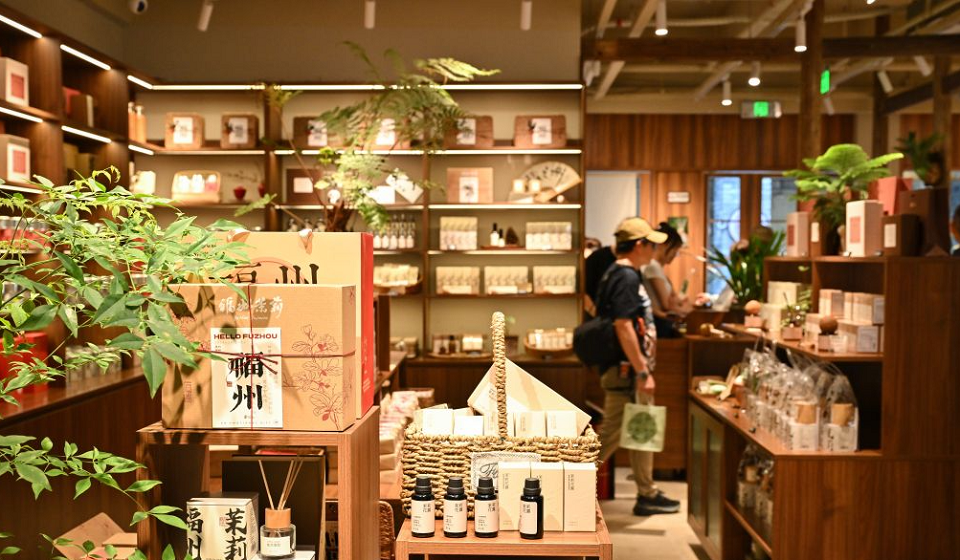


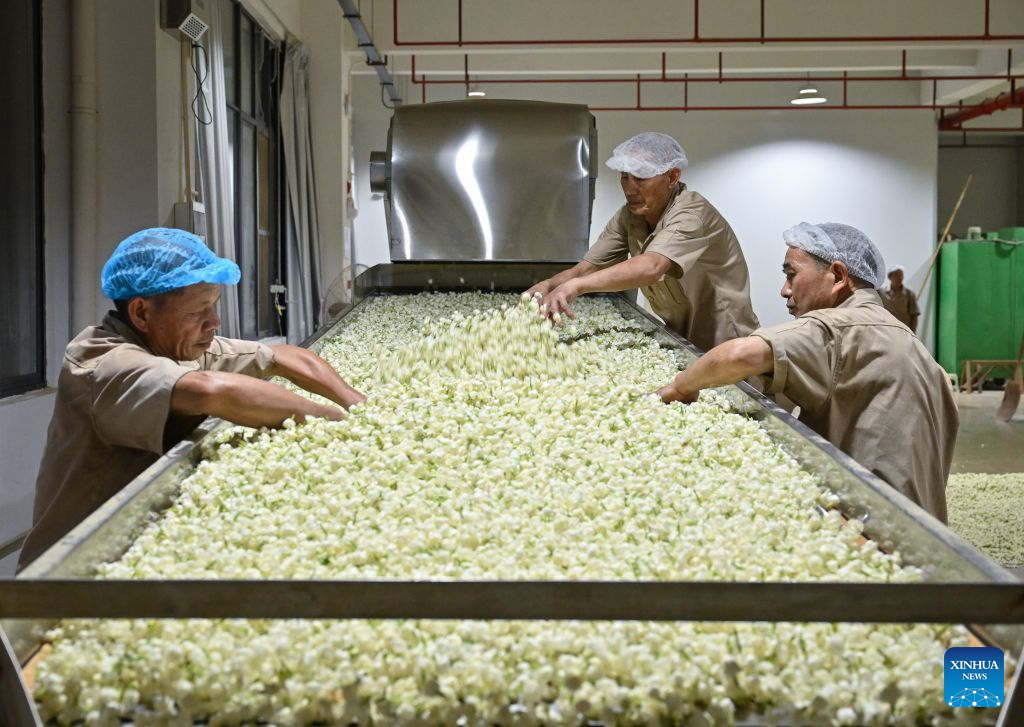
Workers make jasmine tea at a company of a jasmine tea industrial park in Fuzhou, southeast China's Fujian Province, on July 22, 2026. Fuzhou's traditional jasmine tea scenting craftsmanship, a national intangible cultural heritage, is driving the city's cultural tourism development.
Leveraging its century-old jasmine tea industrial heritage, the city has restored historic tea plantations and scenting workshops while developing tea-themed industrial, educational and cultural attractions. In recent years, the renowned jasmine tea heritage has been transformed into a vibrant driver of the city's cultural tourism growth. (Xinhua/Han Xu)
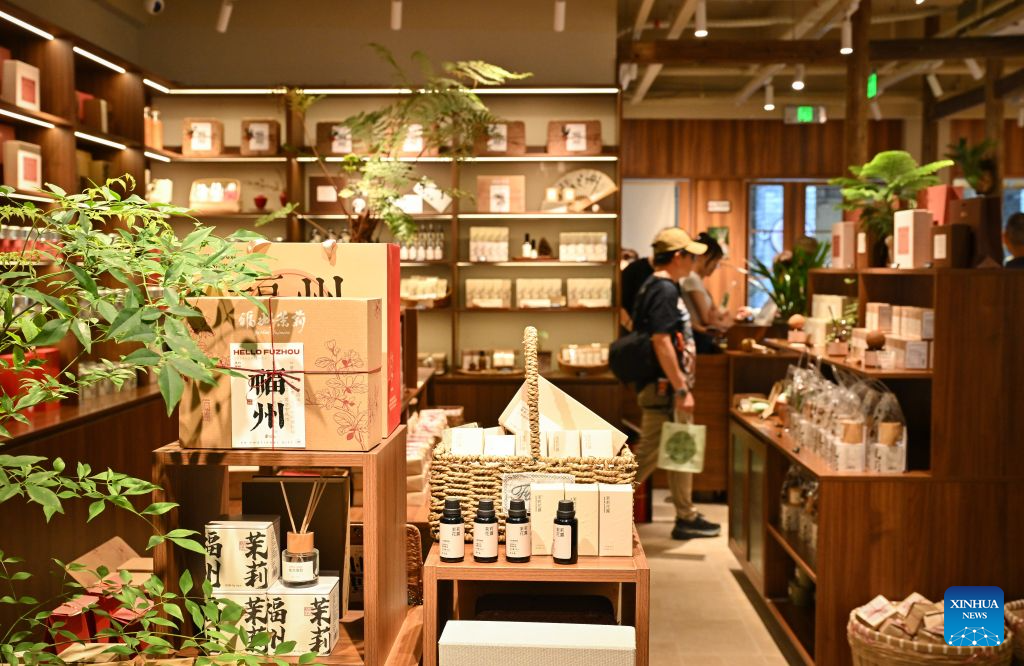
Tourists shop at a jasmine-themed gift store at the Shangxiahang traditional block in Fuzhou, southeast China's Fujian Province, on July 22, 2026. Fuzhou's traditional jasmine tea scenting craftsmanship, a national intangible cultural heritage, is driving the city's cultural tourism development.
Leveraging its century-old jasmine tea industrial heritage, the city has restored historic tea plantations and scenting workshops while developing tea-themed industrial, educational and cultural attractions. In recent years, the renowned jasmine tea heritage has been transformed into a vibrant driver of the city's cultural tourism growth. (Xinhua/Han Xu)
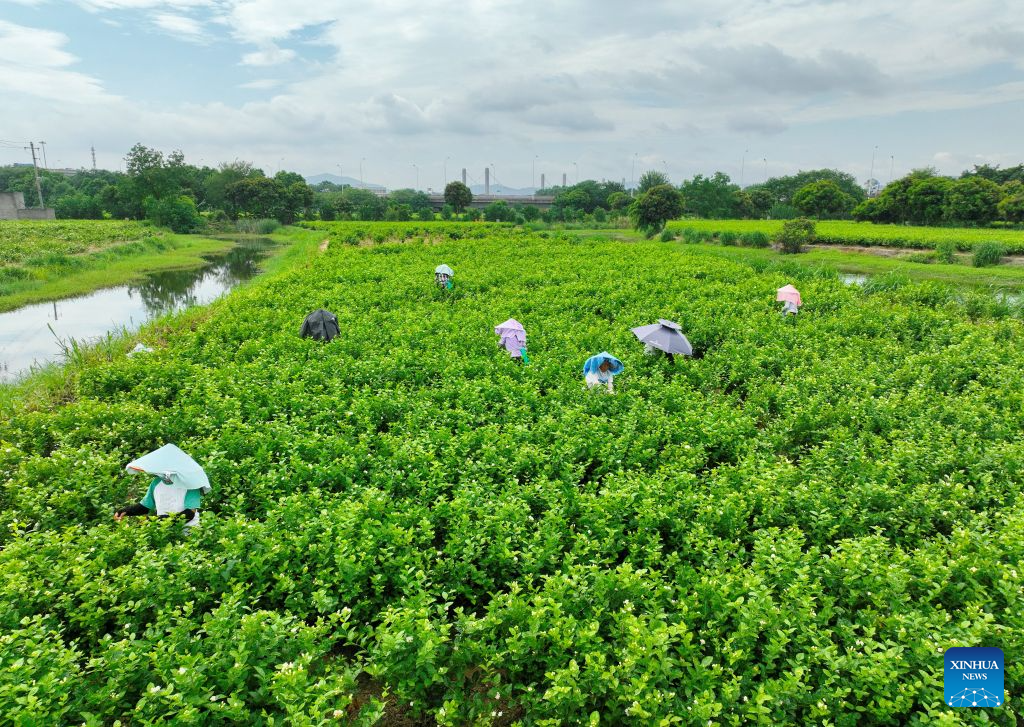
A drone photo shows farmers picking jasmines at a jasmine plantation at Pukou Village in Cangshan District of Fuzhou, southeast China's Fujian Province, on July 21, 2026. Fuzhou's traditional jasmine tea scenting craftsmanship, a national intangible cultural heritage, is driving the city's cultural tourism development.
Leveraging its century-old jasmine tea industrial heritage, the city has restored historic tea plantations and scenting workshops while developing tea-themed industrial, educational and cultural attractions. In recent years, the renowned jasmine tea heritage has been transformed into a vibrant driver of the city's cultural tourism growth. (Xinhua/Lin Shanchuan)
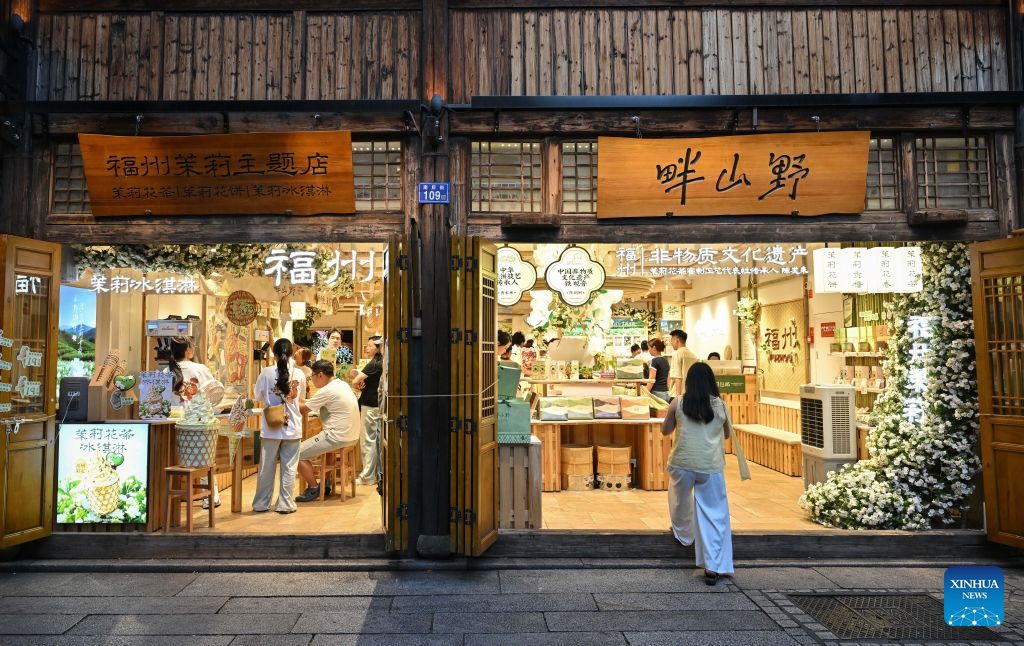
Tourists shop at a jasmine-themed store at a traditional block in Fuzhou, southeast China's Fujian Province, on July 22, 2026. Fuzhou's traditional jasmine tea scenting craftsmanship, a national intangible cultural heritage, is driving the city's cultural tourism development.
Leveraging its century-old jasmine tea industrial heritage, the city has restored historic tea plantations and scenting workshops while developing tea-themed industrial, educational and cultural attractions. In recent years, the renowned jasmine tea heritage has been transformed into a vibrant driver of the city's cultural tourism growth. (Xinhua/Han Xu)
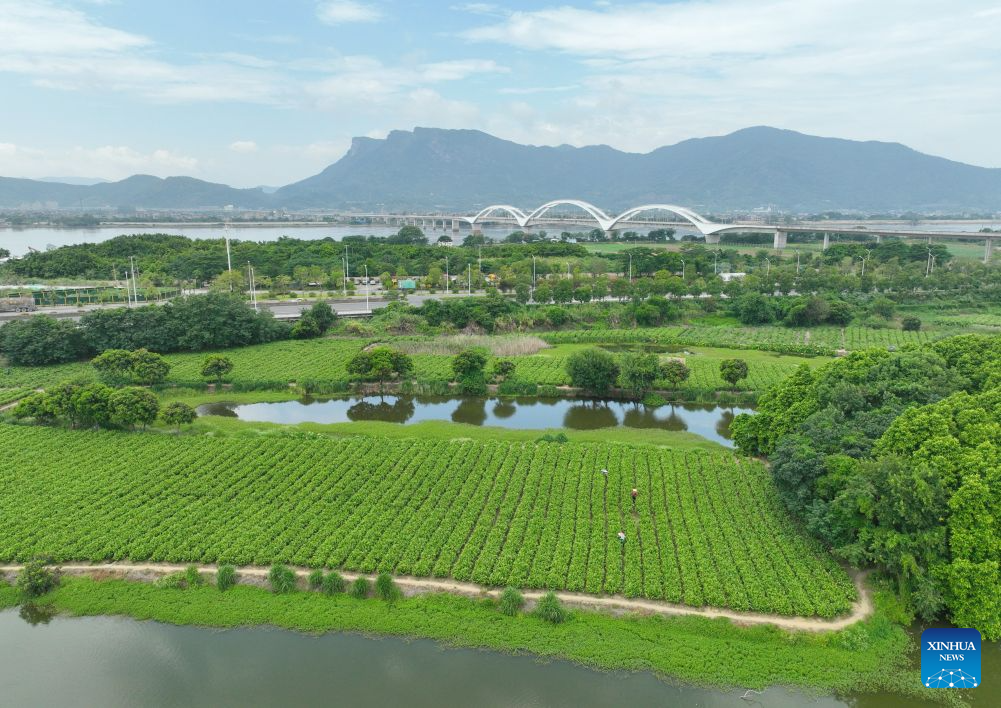
A drone photo taken on July 21, 2026 shows part of a jasmine plantation at Pukou Village in Cangshan District of Fuzhou, southeast China's Fujian Province. Fuzhou's traditional jasmine tea scenting craftsmanship, a national intangible cultural heritage, is driving the city's cultural tourism development.
Leveraging its century-old jasmine tea industrial heritage, the city has restored historic tea plantations and scenting workshops while developing tea-themed industrial, educational and cultural attractions. In recent years, the renowned jasmine tea heritage has been transformed into a vibrant driver of the city's cultural tourism growth. (Xinhua/Lin Shanchuan)
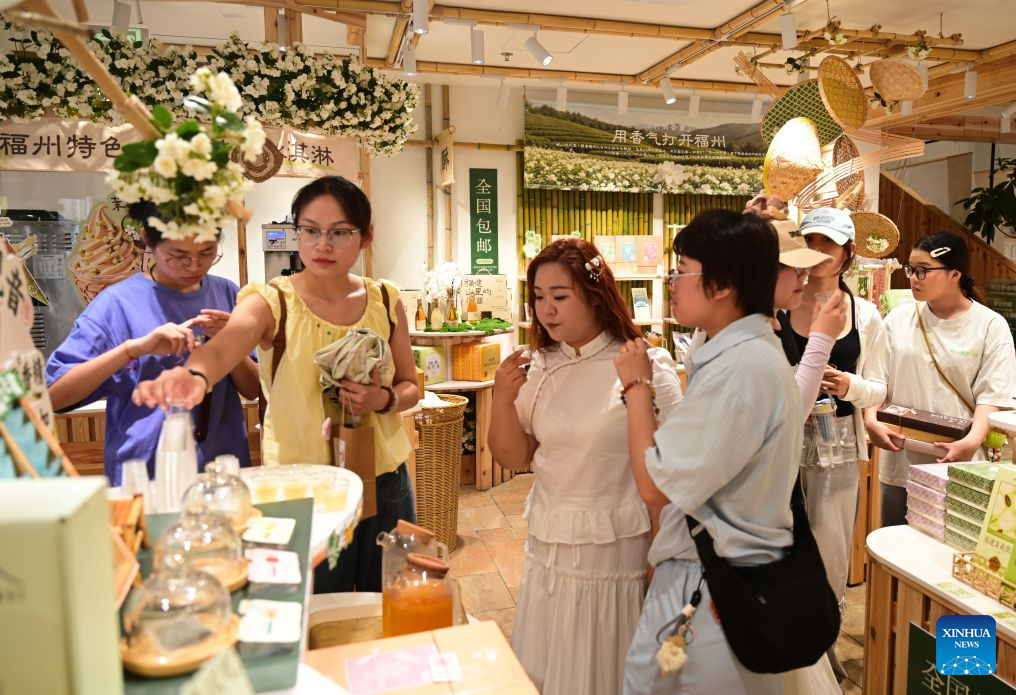
Tourists taste jasmine tea at a shop of a traditional block in Fuzhou, southeast China's Fujian Province, on July 22, 2026. Fuzhou's traditional jasmine tea scenting craftsmanship, a national intangible cultural heritage, is driving the city's cultural tourism development.
Leveraging its century-old jasmine tea industrial heritage, the city has restored historic tea plantations and scenting workshops while developing tea-themed industrial, educational and cultural attractions. In recent years, the renowned jasmine tea heritage has been transformed into a vibrant driver of the city's cultural tourism growth. (Xinhua/Lin Shanchuan)
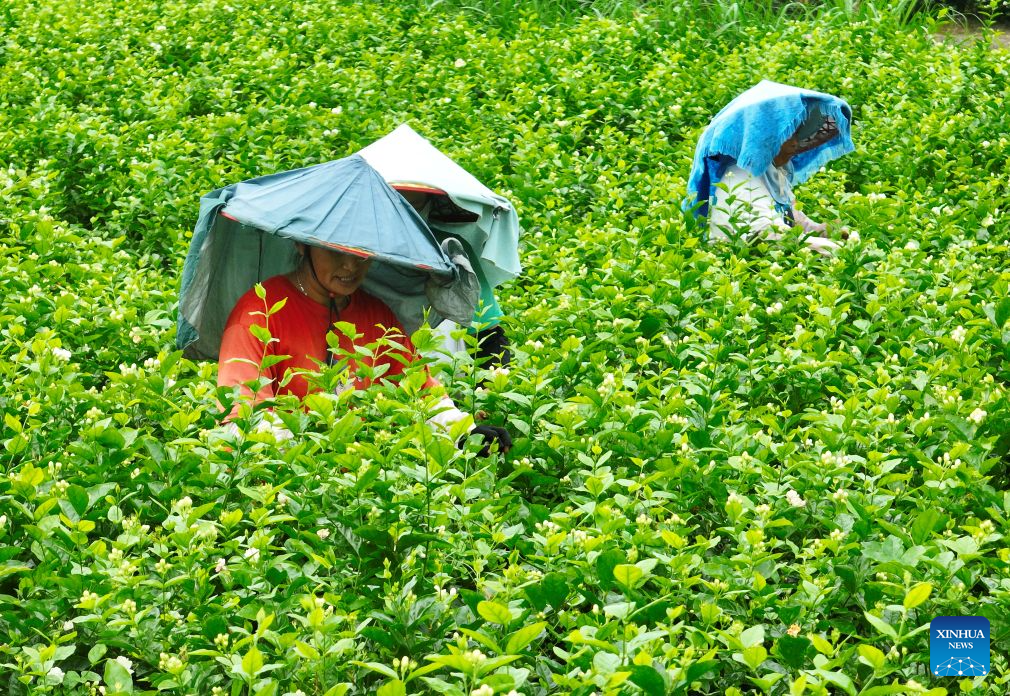
A drone photo shows farmers picking jasmines at a jasmine plantation at Pukou Village in Cangshan District of Fuzhou, southeast China's Fujian Province, on July 21, 2026. Fuzhou's traditional jasmine tea scenting craftsmanship, a national intangible cultural heritage, is driving the city's cultural tourism development.
Leveraging its century-old jasmine tea industrial heritage, the city has restored historic tea plantations and scenting workshops while developing tea-themed industrial, educational and cultural attractions. In recent years, the renowned jasmine tea heritage has been transformed into a vibrant driver of the city's cultural tourism growth. (Xinhua/Lin Shanchuan)
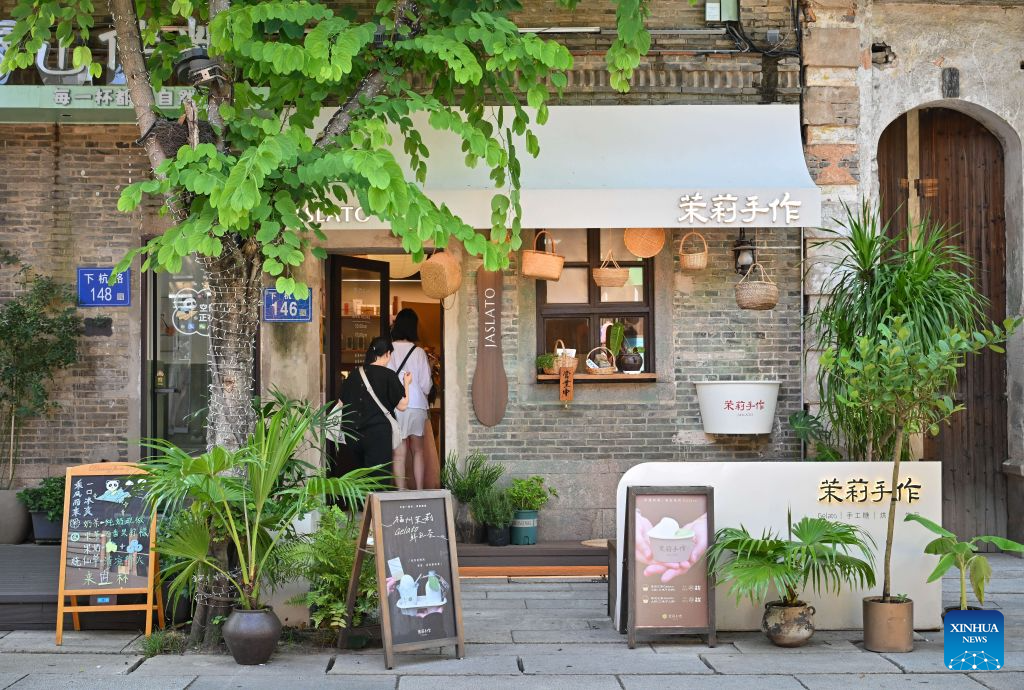
Tourists walk into a jasmine-themed dessert shop at the Shangxiahang traditional block in Fuzhou, southeast China's Fujian Province, on July 22, 2026. Fuzhou's traditional jasmine tea scenting craftsmanship, a national intangible cultural heritage, is driving the city's cultural tourism development.
Leveraging its century-old jasmine tea industrial heritage, the city has restored historic tea plantations and scenting workshops while developing tea-themed industrial, educational and cultural attractions. In recent years, the renowned jasmine tea heritage has been transformed into a vibrant driver of the city's cultural tourism growth. (Xinhua/Han Xu)
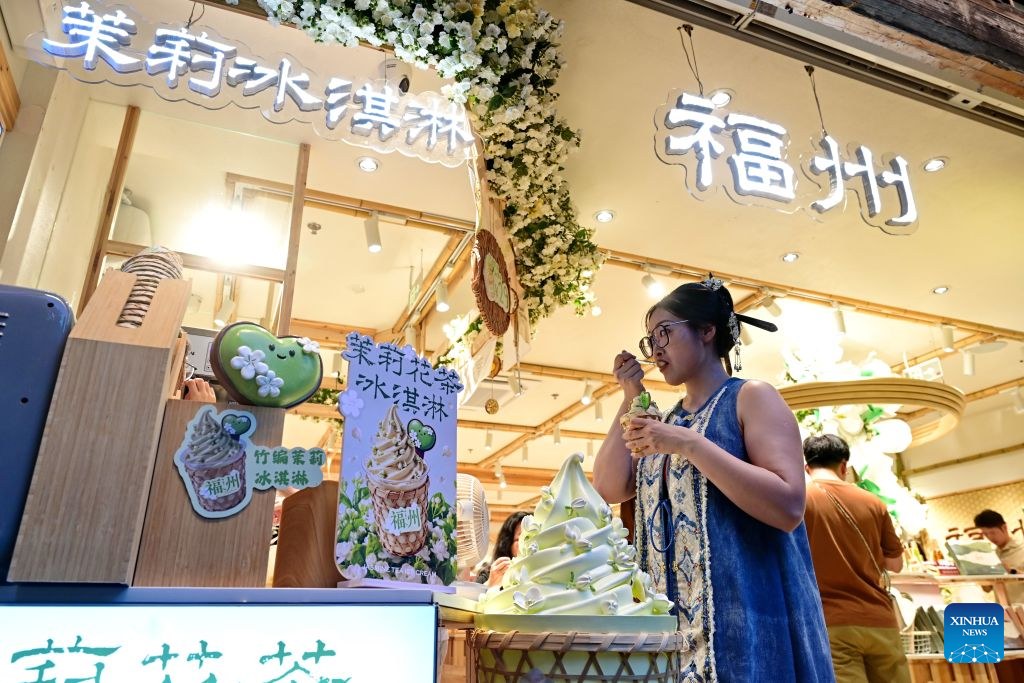
A tourist tastes a jasmine tea ice cream at a specialty shop in Fuzhou, southeast China's Fujian Province, on July 22, 2026. Fuzhou's traditional jasmine tea scenting craftsmanship, a national intangible cultural heritage, is driving the city's cultural tourism development.
Leveraging its century-old jasmine tea industrial heritage, the city has restored historic tea plantations and scenting workshops while developing tea-themed industrial, educational and cultural attractions. In recent years, the renowned jasmine tea heritage has been transformed into a vibrant driver of the city's cultural tourism growth. (Xinhua/Lin Shanchuan)
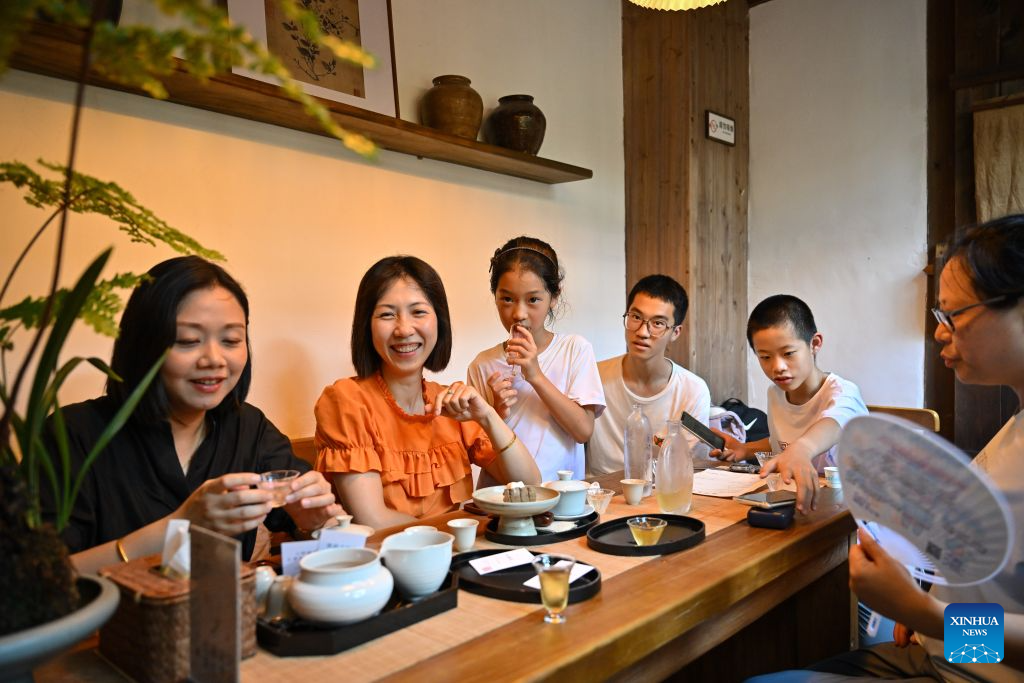
Tourists taste jasmine tea at a tea house at the Shangxiahang traditional block in Fuzhou, southeast China's Fujian Province, on July 22, 2026. Fuzhou's traditional jasmine tea scenting craftsmanship, a national intangible cultural heritage, is driving the city's cultural tourism development.
Leveraging its century-old jasmine tea industrial heritage, the city has restored historic tea plantations and scenting workshops while developing tea-themed industrial, educational and cultural attractions. In recent years, the renowned jasmine tea heritage has been transformed into a vibrant driver of the city's cultural tourism growth. (Xinhua/Han Xu)
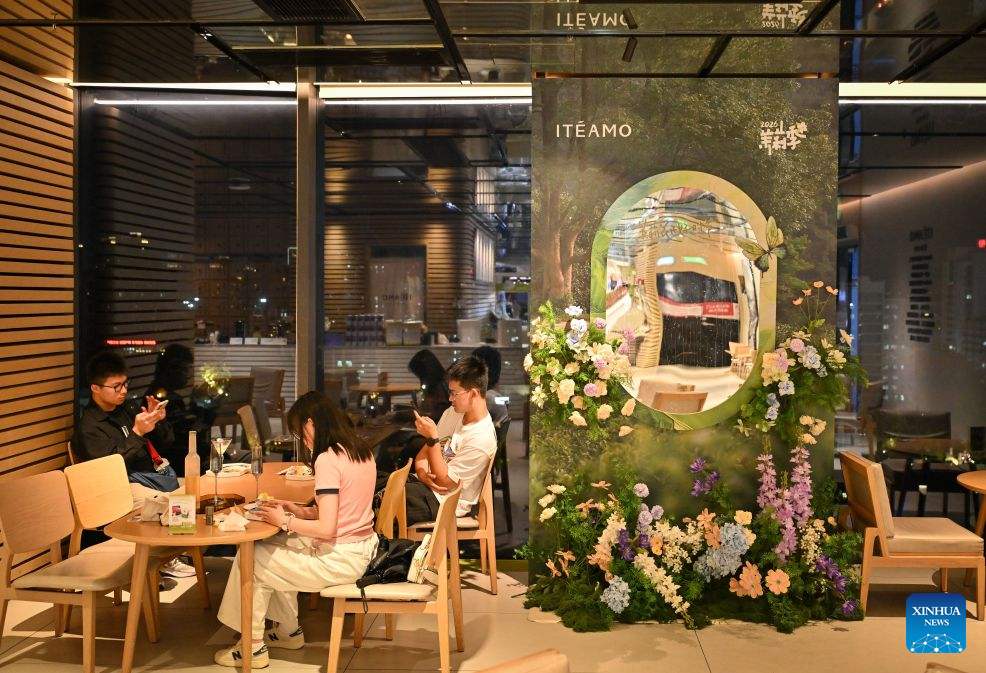
People enjoy jasmine tea drinks at a tea shop in Fuzhou, southeast China's Fujian Province, on July 22, 2026. Fuzhou's traditional jasmine tea scenting craftsmanship, a national intangible cultural heritage, is driving the city's cultural tourism development.
Leveraging its century-old jasmine tea industrial heritage, the city has restored historic tea plantations and scenting workshops while developing tea-themed industrial, educational and cultural attractions. In recent years, the renowned jasmine tea heritage has been transformed into a vibrant driver of the city's cultural tourism growth. (Xinhua/Han Xu)
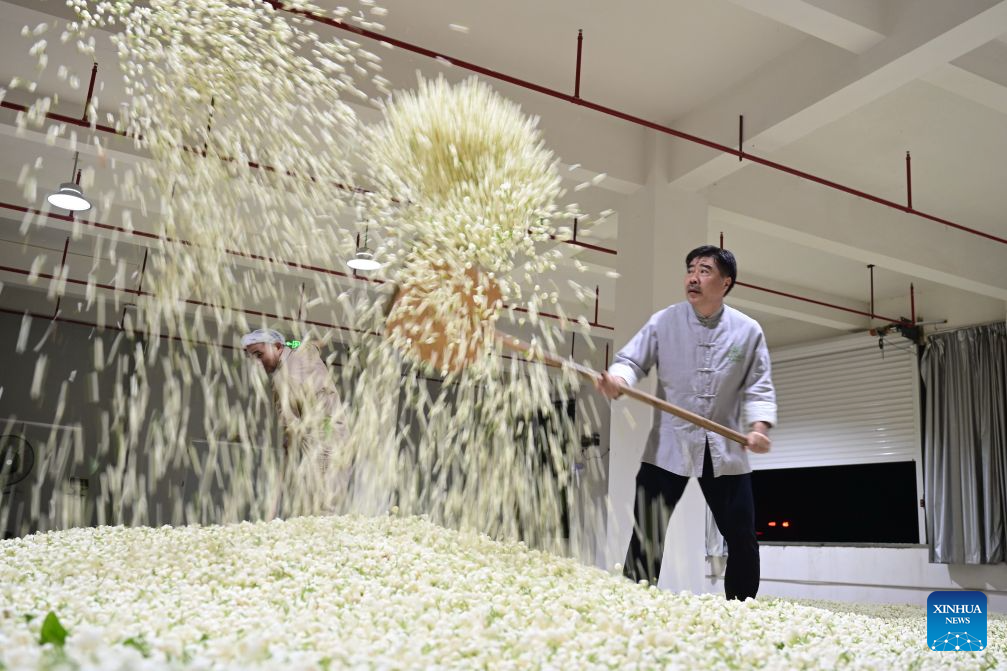
Fu Tianlong, a national inheritor of traditional jasmine tea scenting craftsmanship, shows the making of jasmine tea at a jasmine tea industrial park in Fuzhou, southeast China's Fujian Province, on July 22, 2026. Fuzhou's traditional jasmine tea scenting craftsmanship, a national intangible cultural heritage, is driving the city's cultural tourism development.
Leveraging its century-old jasmine tea industrial heritage, the city has restored historic tea plantations and scenting workshops while developing tea-themed industrial, educational and cultural attractions. In recent years, the renowned jasmine tea heritage has been transformed into a vibrant driver of the city's cultural tourism growth. (Xinhua/Lin Shanchuan)
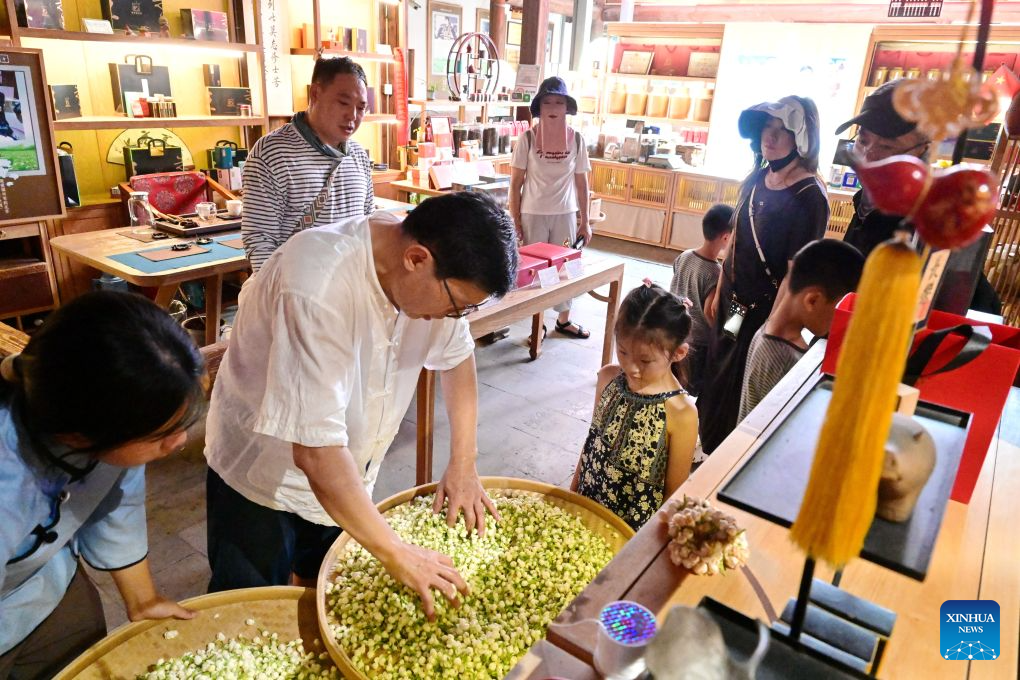
Tourists learn about the making of jasmine tea at a jasmine tea cultural hall in Fuzhou, southeast China's Fujian Province, on July 22, 2026. Fuzhou's traditional jasmine tea scenting craftsmanship, a national intangible cultural heritage, is driving the city's cultural tourism development.
Leveraging its century-old jasmine tea industrial heritage, the city has restored historic tea plantations and scenting workshops while developing tea-themed industrial, educational and cultural attractions. In recent years, the renowned jasmine tea heritage has been transformed into a vibrant driver of the city's cultural tourism growth. (Xinhua/Lin Shanchuan)
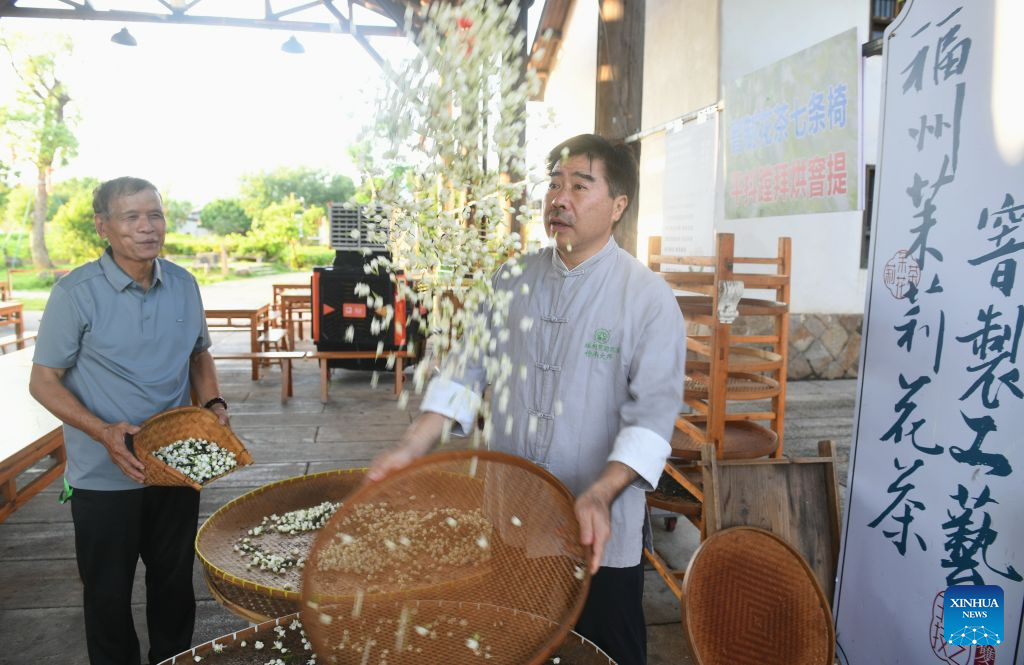
Fu Tianlong, a national inheritor of traditional jasmine tea scenting craftsmanship, shows the making of jasmine tea to tourists at a traditional block in Fuzhou, southeast China's Fujian Province, on July 16, 2026. Fuzhou's traditional jasmine tea scenting craftsmanship, a national intangible cultural heritage, is driving the city's cultural tourism development.
Leveraging its century-old jasmine tea industrial heritage, the city has restored historic tea plantations and scenting workshops while developing tea-themed industrial, educational and cultural attractions. In recent years, the renowned jasmine tea heritage has been transformed into a vibrant driver of the city's cultural tourism growth. (Xinhua/Lin Shanchuan)
点击右上角 微信好友
微信好友
 朋友圈
朋友圈

请使用浏览器分享功能进行分享