


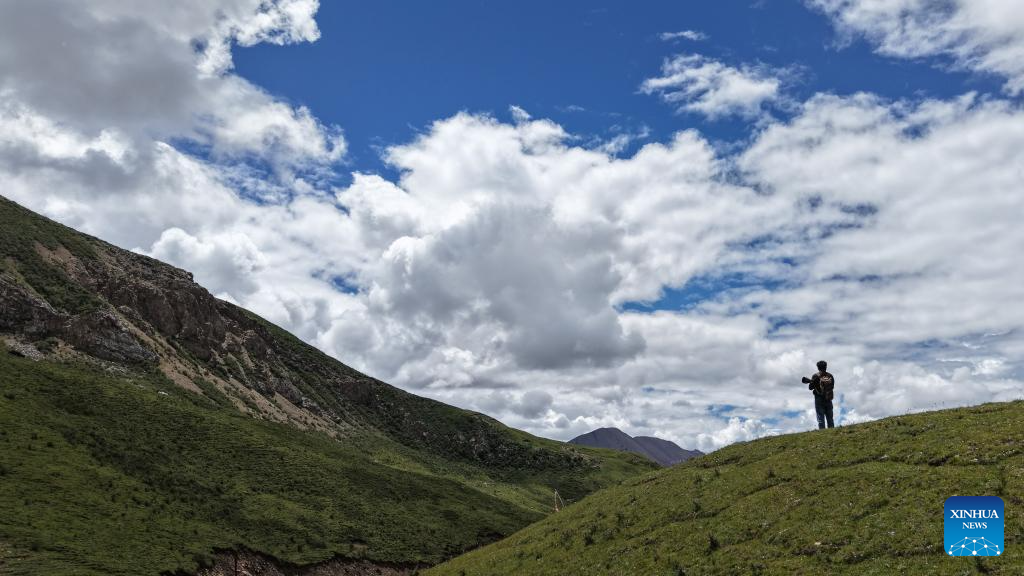
A drone photo taken on Aug. 9, 2025 shows Tseten taking photos during his patrol in Angsai Township of Zaduo County, Yushu Tibetan Autonomous Prefecture, northwest China's Qinghai Province. Amid snow-capped mountains and deep valleys in Angsai Township of Zaduo County, an area in Sanjiangyuan National Park, Tseten and Kunga trek over ridges, cross alpine meadows and carry out ecological patrols, pressing the shutter as they move through the landscape.
In 2016, Tseten and Kunga became rangers under a public welfare program. Having taught themselves photography, they have been documenting the mountains, rivers and wildlife of their homeland with their cameras while patrolling, collecting litter, monitoring water sources and observing vegetation.
Over a decade, their footprints have spread across the grasslands and river shores. Their lens have remained fixed on the changes unfolding on this land: wildlife populations are increasing, traces of garbage on the grasslands have largely disappeared, and the ecological landscape along the Lancang River has grown better and better. (Xinhua/Qi Zhiyue)
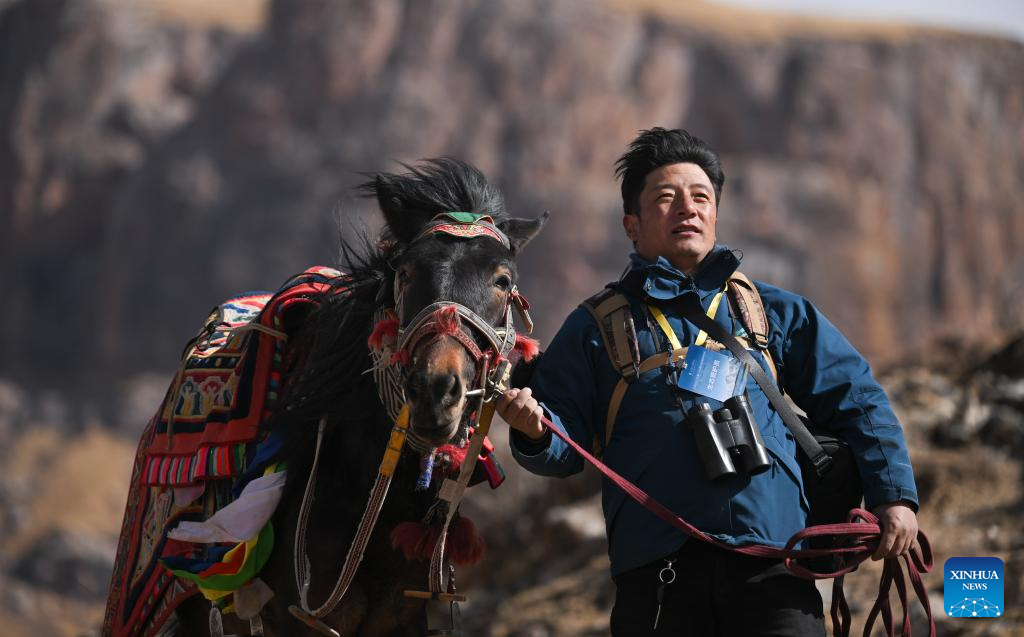
Kunga patrols in Angsai Township of Zaduo County, Yushu Tibetan Autonomous Prefecture, northwest China's Qinghai Province, Jan. 29, 2026. Amid snow-capped mountains and deep valleys in Angsai Township of Zaduo County, an area in Sanjiangyuan National Park, Tseten and Kunga trek over ridges, cross alpine meadows and carry out ecological patrols, pressing the shutter as they move through the landscape.
In 2016, Tseten and Kunga became rangers under a public welfare program. Having taught themselves photography, they have been documenting the mountains, rivers and wildlife of their homeland with their cameras while patrolling, collecting litter, monitoring water sources and observing vegetation.
Over a decade, their footprints have spread across the grasslands and river shores. Their lens have remained fixed on the changes unfolding on this land: wildlife populations are increasing, traces of garbage on the grasslands have largely disappeared, and the ecological landscape along the Lancang River has grown better and better. (Xinhua/Zhang Long)
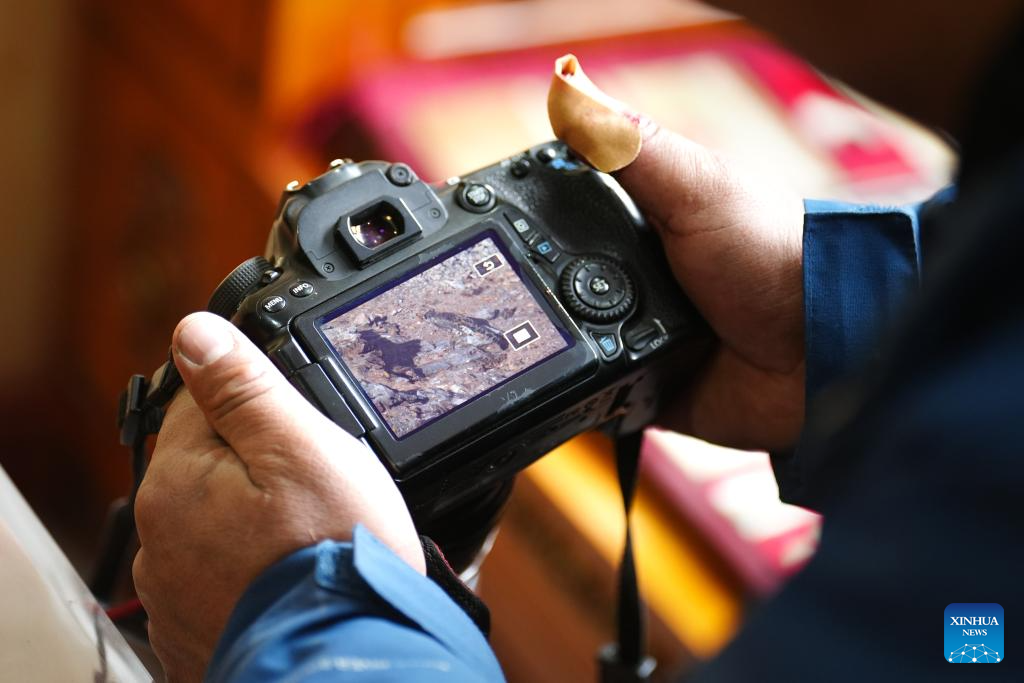
Tseten reviews a photo of a snow leopard on his camera in Angsai Township of Zaduo County, Yushu Tibetan Autonomous Prefecture, northwest China's Qinghai Province, Jan. 29, 2026. Amid snow-capped mountains and deep valleys in Angsai Township of Zaduo County, an area in Sanjiangyuan National Park, Tseten and Kunga trek over ridges, cross alpine meadows and carry out ecological patrols, pressing the shutter as they move through the landscape.
In 2016, Tseten and Kunga became rangers under a public welfare program. Having taught themselves photography, they have been documenting the mountains, rivers and wildlife of their homeland with their cameras while patrolling, collecting litter, monitoring water sources and observing vegetation.
Over a decade, their footprints have spread across the grasslands and river shores. Their lens have remained fixed on the changes unfolding on this land: wildlife populations are increasing, traces of garbage on the grasslands have largely disappeared, and the ecological landscape along the Lancang River has grown better and better. (Xinhua/Qi Zhiyue)
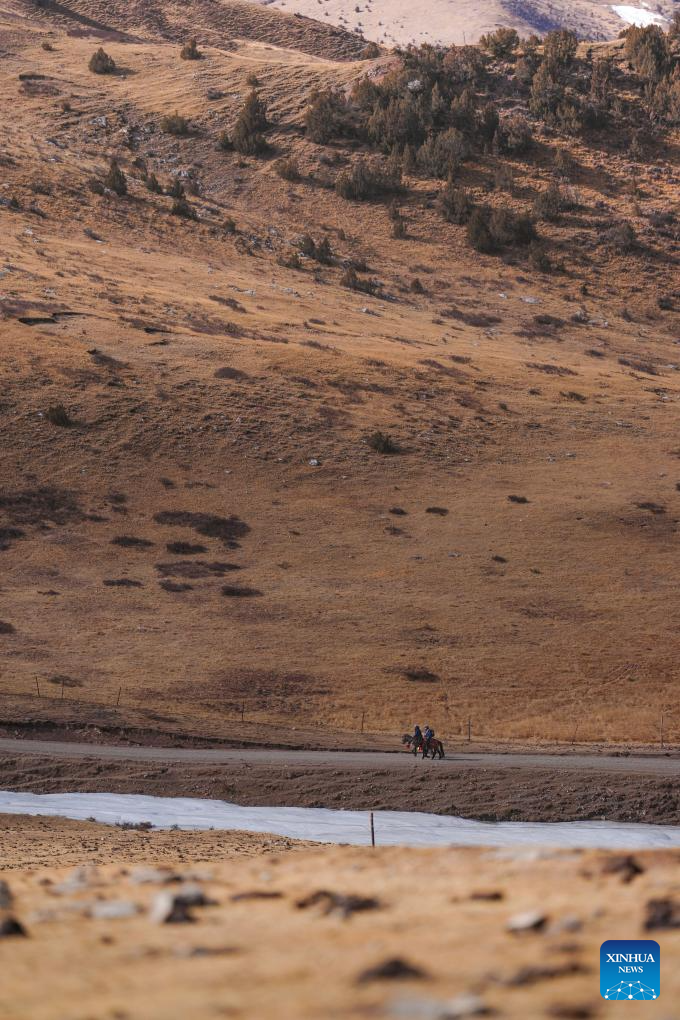
Tseten (L) and Kunga patrol in Angsai Township of Zaduo County, Yushu Tibetan Autonomous Prefecture, northwest China's Qinghai Province, Jan. 29, 2026. Amid snow-capped mountains and deep valleys in Angsai Township of Zaduo County, an area in Sanjiangyuan National Park, Tseten and Kunga trek over ridges, cross alpine meadows and carry out ecological patrols, pressing the shutter as they move through the landscape.
In 2016, Tseten and Kunga became rangers under a public welfare program. Having taught themselves photography, they have been documenting the mountains, rivers and wildlife of their homeland with their cameras while patrolling, collecting litter, monitoring water sources and observing vegetation.
Over a decade, their footprints have spread across the grasslands and river shores. Their lens have remained fixed on the changes unfolding on this land: wildlife populations are increasing, traces of garbage on the grasslands have largely disappeared, and the ecological landscape along the Lancang River has grown better and better. (Xinhua/Qi Zhiyue)
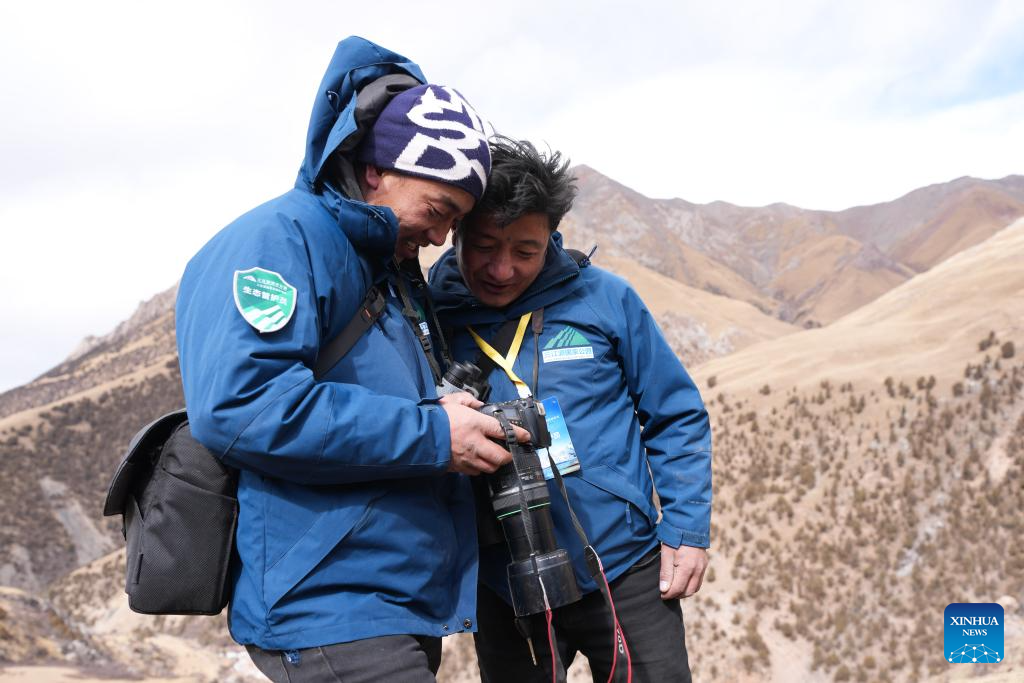
Tseten (L) and Kunga review photos while patrolling in Angsai Township of Zaduo County, Yushu Tibetan Autonomous Prefecture, northwest China's Qinghai Province, Jan. 29, 2026. Amid snow-capped mountains and deep valleys in Angsai Township of Zaduo County, an area in Sanjiangyuan National Park, Tseten and Kunga trek over ridges, cross alpine meadows and carry out ecological patrols, pressing the shutter as they move through the landscape.
In 2016, Tseten and Kunga became rangers under a public welfare program. Having taught themselves photography, they have been documenting the mountains, rivers and wildlife of their homeland with their cameras while patrolling, collecting litter, monitoring water sources and observing vegetation.
Over a decade, their footprints have spread across the grasslands and river shores. Their lens have remained fixed on the changes unfolding on this land: wildlife populations are increasing, traces of garbage on the grasslands have largely disappeared, and the ecological landscape along the Lancang River has grown better and better. (Xinhua/Zhang Long)
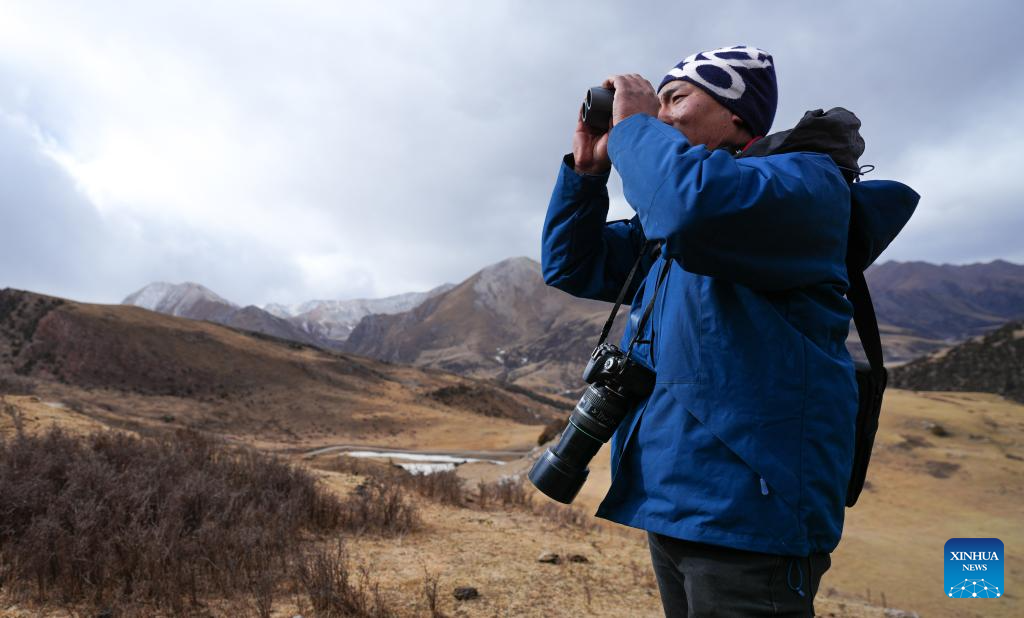
Tseten patrols in Angsai Township of Zaduo County, Yushu Tibetan Autonomous Prefecture, northwest China's Qinghai Province, Jan. 29, 2026. Amid snow-capped mountains and deep valleys in Angsai Township of Zaduo County, an area in Sanjiangyuan National Park, Tseten and Kunga trek over ridges, cross alpine meadows and carry out ecological patrols, pressing the shutter as they move through the landscape.
In 2016, Tseten and Kunga became rangers under a public welfare program. Having taught themselves photography, they have been documenting the mountains, rivers and wildlife of their homeland with their cameras while patrolling, collecting litter, monitoring water sources and observing vegetation.
Over a decade, their footprints have spread across the grasslands and river shores. Their lens have remained fixed on the changes unfolding on this land: wildlife populations are increasing, traces of garbage on the grasslands have largely disappeared, and the ecological landscape along the Lancang River has grown better and better. (Xinhua/Qi Zhiyue)
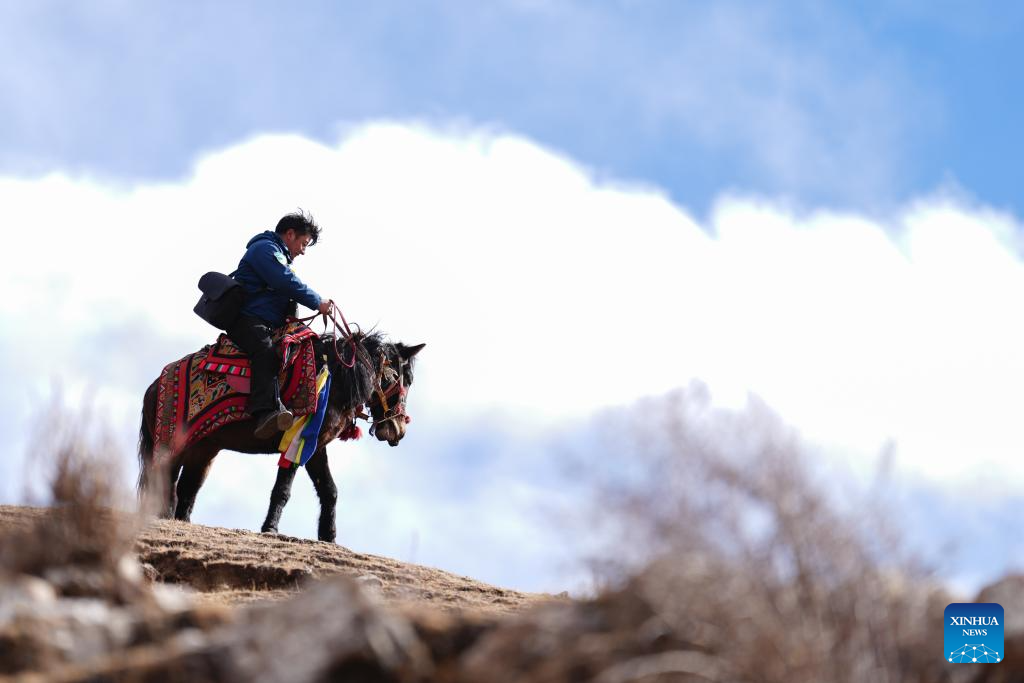
Kunga patrols in Angsai Township of Zaduo County, Yushu Tibetan Autonomous Prefecture, northwest China's Qinghai Province, Jan. 29, 2026. Amid snow-capped mountains and deep valleys in Angsai Township of Zaduo County, an area in Sanjiangyuan National Park, Tseten and Kunga trek over ridges, cross alpine meadows and carry out ecological patrols, pressing the shutter as they move through the landscape.
In 2016, Tseten and Kunga became rangers under a public welfare program. Having taught themselves photography, they have been documenting the mountains, rivers and wildlife of their homeland with their cameras while patrolling, collecting litter, monitoring water sources and observing vegetation.
Over a decade, their footprints have spread across the grasslands and river shores. Their lens have remained fixed on the changes unfolding on this land: wildlife populations are increasing, traces of garbage on the grasslands have largely disappeared, and the ecological landscape along the Lancang River has grown better and better. (Xinhua/Qi Zhiyue)
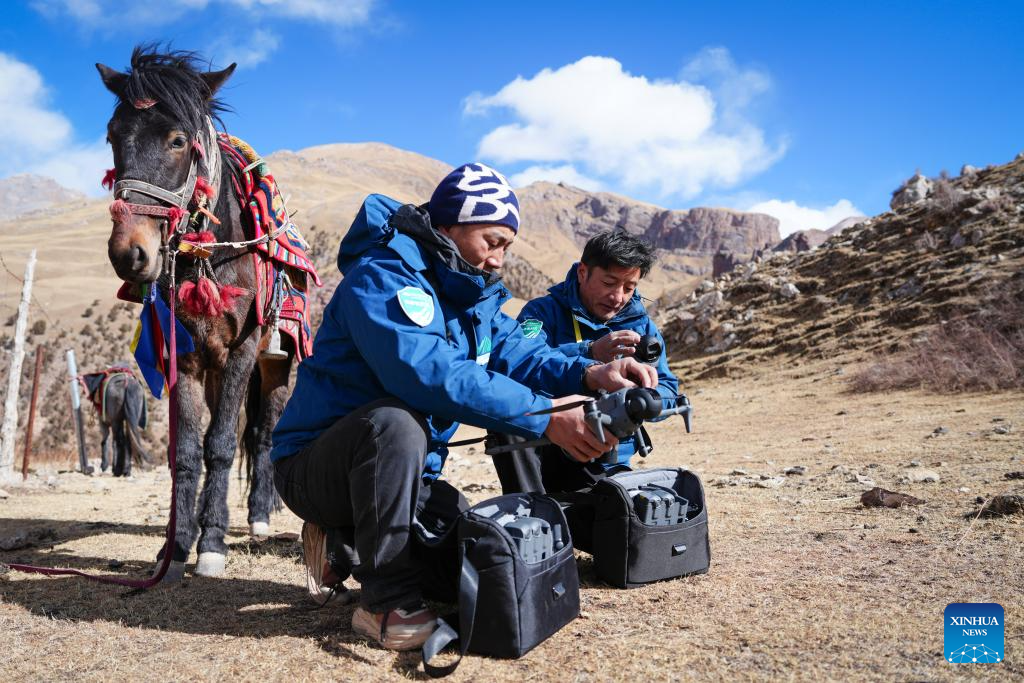
Tseten (L) and Kunga perpare drones for patrolling in Angsai Township of Zaduo County, Yushu Tibetan Autonomous Prefecture, northwest China's Qinghai Province, Jan. 29, 2026. Amid snow-capped mountains and deep valleys in Angsai Township of Zaduo County, an area in Sanjiangyuan National Park, Tseten and Kunga trek over ridges, cross alpine meadows and carry out ecological patrols, pressing the shutter as they move through the landscape.
In 2016, Tseten and Kunga became rangers under a public welfare program. Having taught themselves photography, they have been documenting the mountains, rivers and wildlife of their homeland with their cameras while patrolling, collecting litter, monitoring water sources and observing vegetation.
Over a decade, their footprints have spread across the grasslands and river shores. Their lens have remained fixed on the changes unfolding on this land: wildlife populations are increasing, traces of garbage on the grasslands have largely disappeared, and the ecological landscape along the Lancang River has grown better and better. (Xinhua/Qi Zhiyue)
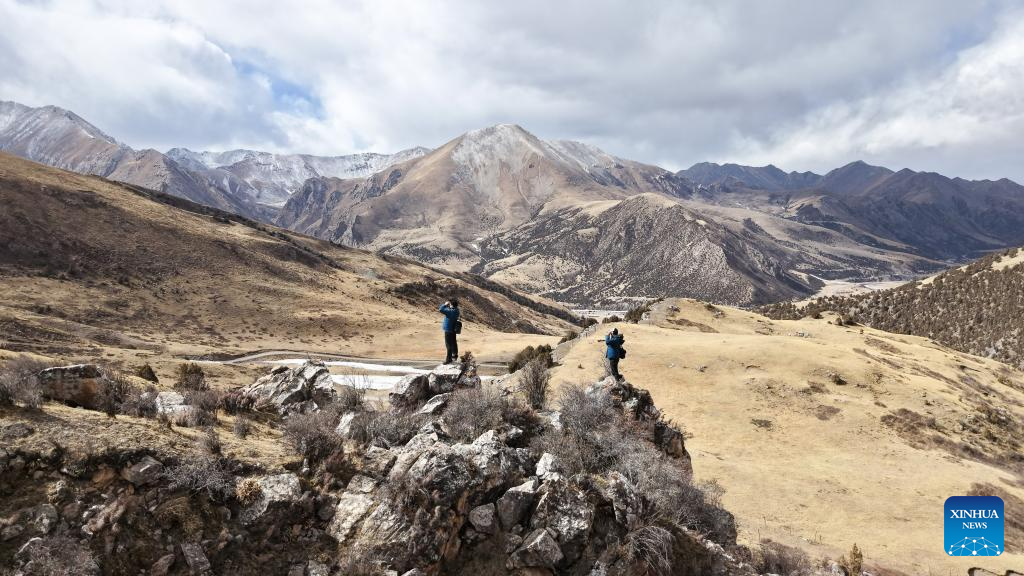
A drone photo shows Tseten (R) and Kunga patrolling in Angsai Township of Zaduo County, Yushu Tibetan Autonomous Prefecture, northwest China's Qinghai Province, Jan. 29, 2026. Amid snow-capped mountains and deep valleys in Angsai Township of Zaduo County, an area in Sanjiangyuan National Park, Tseten and Kunga trek over ridges, cross alpine meadows and carry out ecological patrols, pressing the shutter as they move through the landscape.
In 2016, Tseten and Kunga became rangers under a public welfare program. Having taught themselves photography, they have been documenting the mountains, rivers and wildlife of their homeland with their cameras while patrolling, collecting litter, monitoring water sources and observing vegetation.
Over a decade, their footprints have spread across the grasslands and river shores. Their lens have remained fixed on the changes unfolding on this land: wildlife populations are increasing, traces of garbage on the grasslands have largely disappeared, and the ecological landscape along the Lancang River has grown better and better. (Xinhua/Zhang Long)
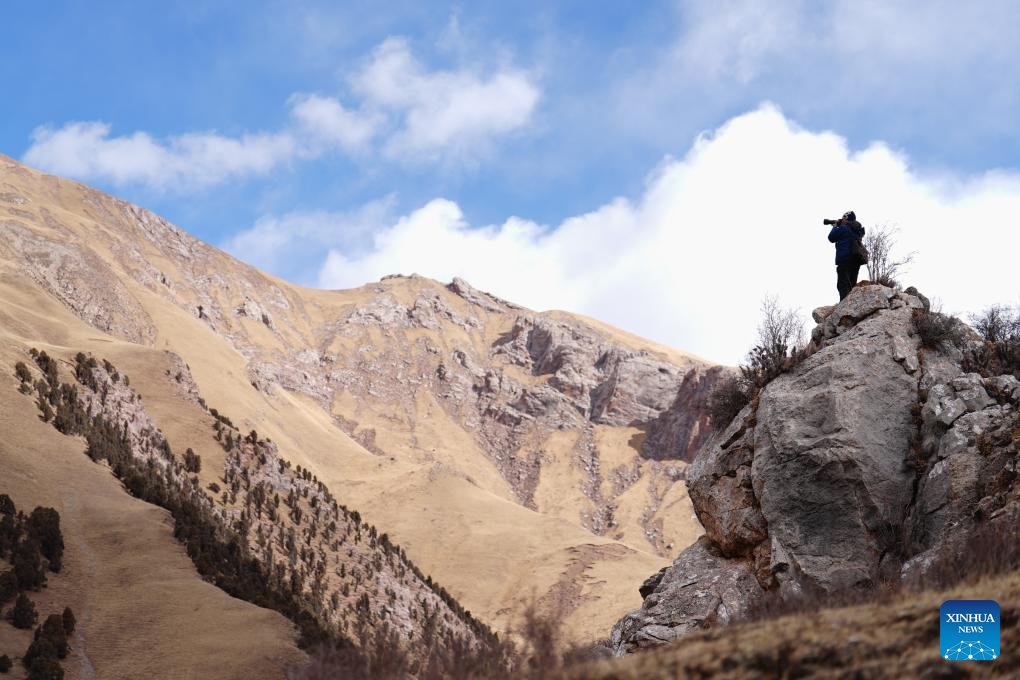
Tseten takes photos while patroling in Angsai Township of Zaduo County, Yushu Tibetan Autonomous Prefecture, northwest China's Qinghai Province, Jan. 29, 2026. Amid snow-capped mountains and deep valleys in Angsai Township of Zaduo County, an area in Sanjiangyuan National Park, Tseten and Kunga trek over ridges, cross alpine meadows and carry out ecological patrols, pressing the shutter as they move through the landscape.
In 2016, Tseten and Kunga became rangers under a public welfare program. Having taught themselves photography, they have been documenting the mountains, rivers and wildlife of their homeland with their cameras while patrolling, collecting litter, monitoring water sources and observing vegetation.
Over a decade, their footprints have spread across the grasslands and river shores. Their lens have remained fixed on the changes unfolding on this land: wildlife populations are increasing, traces of garbage on the grasslands have largely disappeared, and the ecological landscape along the Lancang River has grown better and better. (Xinhua/Qi Zhiyue)
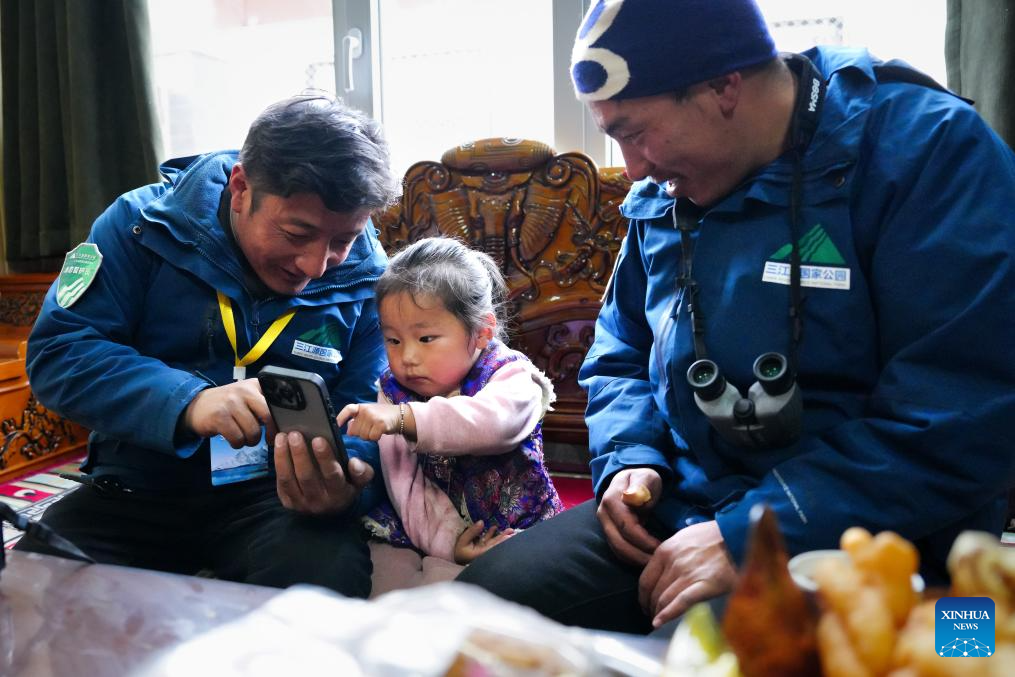
Kunga teaches his niece to identify animals in Angsai Township of Zaduo County, Yushu Tibetan Autonomous Prefecture, northwest China's Qinghai Province, Jan. 29, 2026. Amid snow-capped mountains and deep valleys in Angsai Township of Zaduo County, an area in Sanjiangyuan National Park, Tseten and Kunga trek over ridges, cross alpine meadows and carry out ecological patrols, pressing the shutter as they move through the landscape.
In 2016, Tseten and Kunga became rangers under a public welfare program. Having taught themselves photography, they have been documenting the mountains, rivers and wildlife of their homeland with their cameras while patrolling, collecting litter, monitoring water sources and observing vegetation.
Over a decade, their footprints have spread across the grasslands and river shores. Their lens have remained fixed on the changes unfolding on this land: wildlife populations are increasing, traces of garbage on the grasslands have largely disappeared, and the ecological landscape along the Lancang River has grown better and better. (Xinhua/Qi Zhiyue)
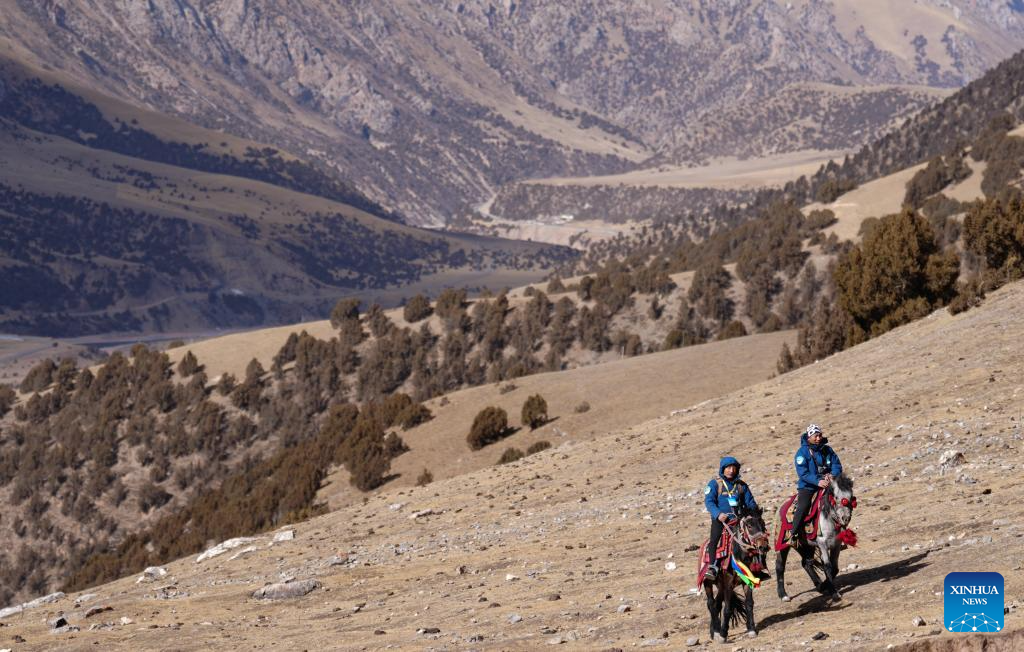
Tseten (R) and Kunga patrol in Angsai Township of Zaduo County, Yushu Tibetan Autonomous Prefecture, northwest China's Qinghai Province, Jan. 29, 2026. Amid snow-capped mountains and deep valleys in Angsai Township of Zaduo County, an area in Sanjiangyuan National Park, Tseten and Kunga trek over ridges, cross alpine meadows and carry out ecological patrols, pressing the shutter as they move through the landscape.
In 2016, Tseten and Kunga became rangers under a public welfare program. Having taught themselves photography, they have been documenting the mountains, rivers and wildlife of their homeland with their cameras while patrolling, collecting litter, monitoring water sources and observing vegetation.
Over a decade, their footprints have spread across the grasslands and river shores. Their lens have remained fixed on the changes unfolding on this land: wildlife populations are increasing, traces of garbage on the grasslands have largely disappeared, and the ecological landscape along the Lancang River has grown better and better. (Xinhua/Qi Zhiyue)
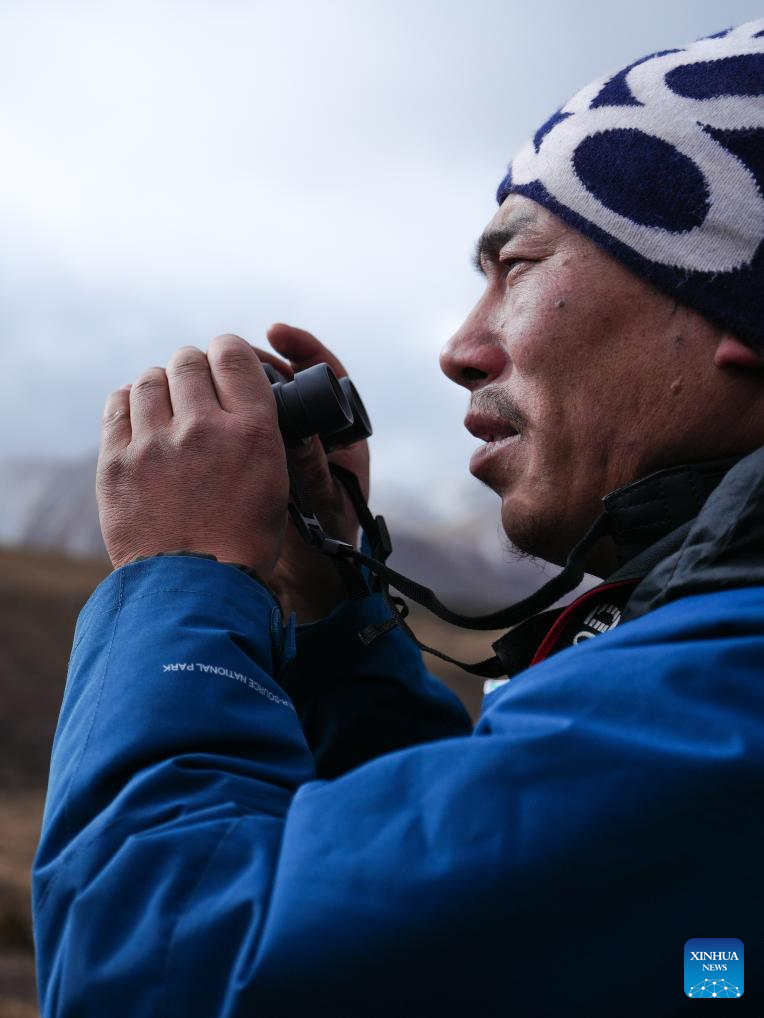
Tseten patrols in Angsai Township of Zaduo County, Yushu Tibetan Autonomous Prefecture, northwest China's Qinghai Province, Jan. 29, 2026. Amid snow-capped mountains and deep valleys in Angsai Township of Zaduo County, an area in Sanjiangyuan National Park, Tseten and Kunga trek over ridges, cross alpine meadows and carry out ecological patrols, pressing the shutter as they move through the landscape.
In 2016, Tseten and Kunga became rangers under a public welfare program. Having taught themselves photography, they have been documenting the mountains, rivers and wildlife of their homeland with their cameras while patrolling, collecting litter, monitoring water sources and observing vegetation.
Over a decade, their footprints have spread across the grasslands and river shores. Their lens have remained fixed on the changes unfolding on this land: wildlife populations are increasing, traces of garbage on the grasslands have largely disappeared, and the ecological landscape along the Lancang River has grown better and better. (Xinhua/Qi Zhiyue)
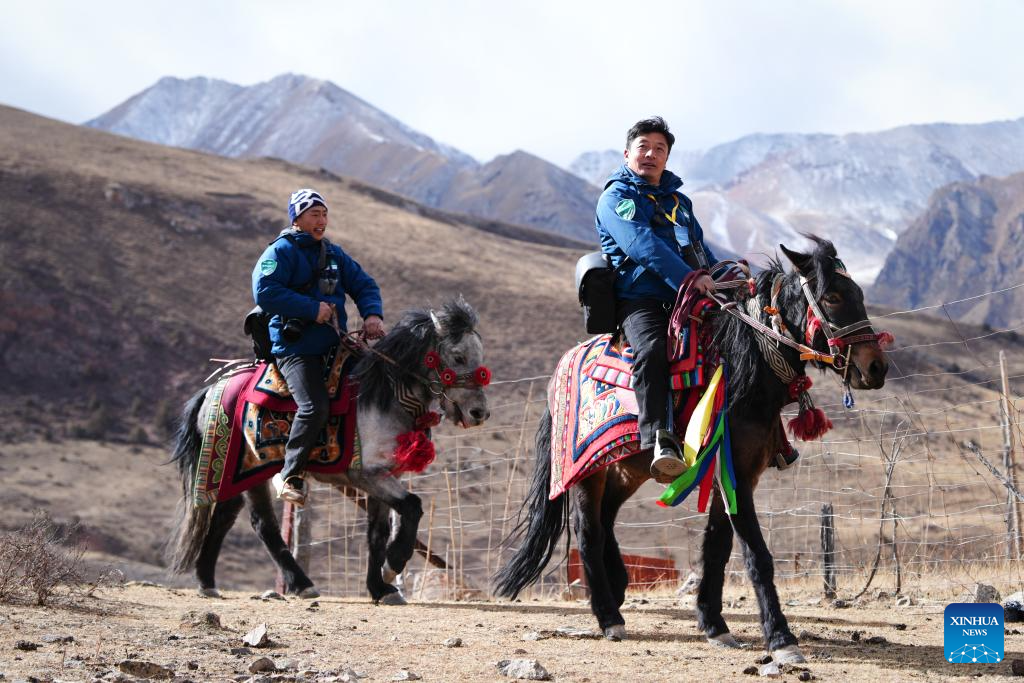
(260204) -- YUSHU, Feb. 4, 2026 (Xinhua) -- Tseten (L) and Kunga patrol in Angsai Township of Zaduo County, Yushu Tibetan Autonomous Prefecture, northwest China's Qinghai Province, Jan. 29, 2026. Amid snow-capped mountains and deep valleys in Angsai Township of Zaduo County, an area in Sanjiangyuan National Park, Tseten and Kunga trek over ridges, cross alpine meadows and carry out ecological patrols, pressing the shutter as they move through the landscape.
In 2016, Tseten and Kunga became rangers under a public welfare program. Having taught themselves photography, they have been documenting the mountains, rivers and wildlife of their homeland with their cameras while patrolling, collecting litter, monitoring water sources and observing vegetation.
Over a decade, their footprints have spread across the grasslands and river shores. Their lens have remained fixed on the changes unfolding on this land: wildlife populations are increasing, traces of garbage on the grasslands have largely disappeared, and the ecological landscape along the Lancang River has grown better and better. (Xinhua/Qi Zhiyue)
Verdant landscape of Arxan National Forest Park in north China's Inner Mongolia
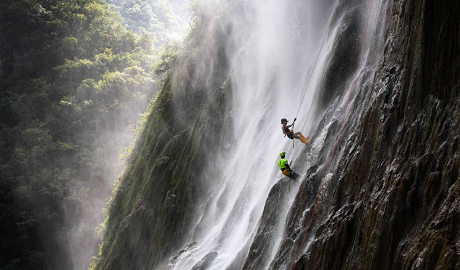
Waterfall rappelling attracts tourists for cool thrills in Guizhou

Foreign enthusiasts of Tai Chi experience Chinese martial arts culture in Chenjiagou, China's Henan

China's Changshan Archipelago migratory bird sanctuary inscribed on World Natural Heritage list
点击右上角 微信好友
微信好友
 朋友圈
朋友圈

请使用浏览器分享功能进行分享